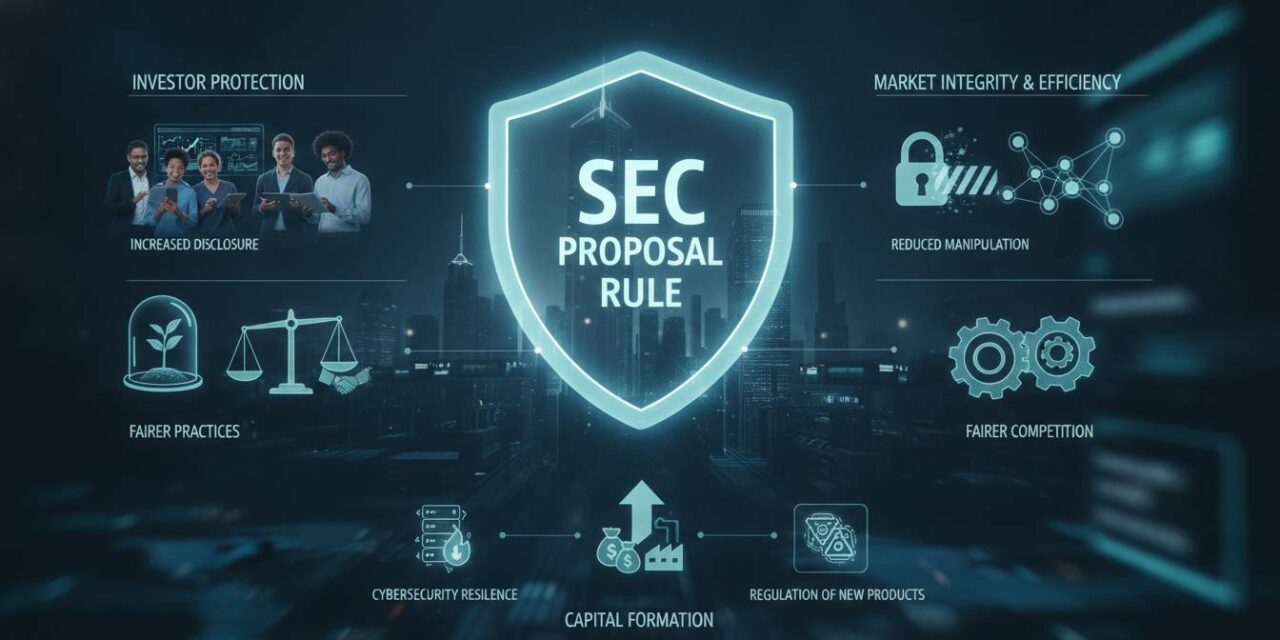
- The SEC plans to repeal Rule 611, which has governed US equity trading since 2005.
- Supporters argue that removing Rule 611 could simplify trading for tokenized US stocks and blockchain platforms.
- A commission vote on the proposal is scheduled for the week of June 9, 2026.
- Concerns exist that eliminating price protections may lead to poor trade execution and increased market manipulation risks.
The Securities and Exchange Commission (SEC) plans to end Rule 611, which has directed US equity trading since 2005, according to Yahoo Finance. Scrapping this rule could remove a huge barrier for tokenized US stocks — industry participants believe doing so would make innovative trading much easier and further open the door for Blockchain-based settlement.
SEC Chair Paul S. Atkins emphasized that ‘after more than a decade of uncertainty, this interpretation will provide market participants with a clear understanding of how the Commission treats crypto assets under federal securities laws,’”, according to Cftc.
the SEC reiterates that ‘non‑security’ crypto assets can still be sold as part of an investment contract, depending on how they are offered, marketed and structured, according to Cftc.
This proposal targets Rule 611 — the Order Protection Rule — and Rule 610(e) for removal. These are both pillars of Regulation NMS, a foundation that’s influenced US equity markets for over two decades, as Yahoo Finance reports. Rule 611, first enacted in 2005, stopped “trade-throughs” by making sure trades weren’t executed at worse prices when better quotes were out there. That focus on price protection gave structure to trading for years. Efforts for repeal grew after the SEC’s roundtable on September 18, 2025, where Chairman Atkins, who’s long opposed Rule 611, clearly signaled his intent to dismantle it.
Supporters believe rolling back Rule 611 could eliminate needless complexity and let new venues — especially blockchain-based platforms — operate without having to strictly honor the national best bid and offer.
Rationale Behind the Rule 611 Repeal
Yahoo most According to SEC Plans to Repeal Trade-Through Rule: What This Means f…, if the rules stay frozen in a 2005 mindset, not just investors but the US market itself could fall behind.
Now that blockchain and tokenized assets offer instant, programmable settlement and lower costs, many big and small players feel regulatory reform is needed for real progress. Tokenized trading platforms are positioned to deliver real benefits — once regulatory bottlenecks like Rule 611 are gone, according to Blockchain.
How Repeal Could Benefit Tokenized US Stocks
Galaxy’s analysis, as cited by Yahoo Finance, predicts that removing Rule 611 will let tokenized US stocks trade on platforms without the technical headaches of tracking every national quote.
SEC WEIGHS ALLOWING TOKENIZED STOCKS TO TRADE ON DEFI PLATFORMSView on X
Bloomberg Law reports the SEC is preparing an “innovation exemption” for tokenized stocks as soon as this week.
The SEC is reportedly leaning toward allowing third-party stock tokens even without consent from the… pic.twitter.com/YUzVJW9ybZ
Approvals have already been granted to NYSE, Nasdaq, and DTCC for tokenization projects.
Regulatory Timeline and Industry Reaction
A commission vote is set for the week of June 9, 2026. If approved, a formal proposal lands in the Federal Register and public comments open for 60 days.
Yahoo Finance reports this growth comes largely from firms eager to tokenize stocks and other real-world assets. According to experts, the current SEC framework blocks American investors from joining digital asset markets abroad.
Criticism and Cautions Over the Proposal
Some traditional exchanges and advocacy groups warn that dropping national price protections opens the door to poor trade execution, especially for unsophisticated investors. If there’s no central price guarantee, liquidity could splinter, and the risk of manipulation might rise. Experts point out Rule 611 was crafted after years of analyzing market failures and remains, in their view, a major check against predatory practices — especially in volatile periods.
Wider Implications for US Equity Market Structure
Repealing Rule 611 could bring more than just one big change — It could trigger a broad rethinking of Regulation NMS itself. Fresh debate is sure to flare over issues like minimum tick sizes and fee caps under Rule 610(e). Lobbying is bound to get intense. The SEC’s willingness to revisit Regulation NMS coincides with growing calls from global agencies, including the Bank for International Settlements, for asset tokenization and blockchain-powered payment rails.
Many believe that overturning Rule 611 would drive tokenized US stocks forward and start to redefine “best execution” in a digitized world.
On Google, tick the box next to stnews.live to see our reporting higher in Top Stories.
Disclaimer: The content on this page is for informational purposes only and does not constitute financial advice. Always do your own research before making investment decisions.

STNews Editorial is the in-house newsroom of STNews, reporting on stablecoins, real-world assets (RWA) and the wider crypto market. Our team compiles and edits coverage from primary sources — exchange and on-chain data, company announcements and official regulatory filings.