




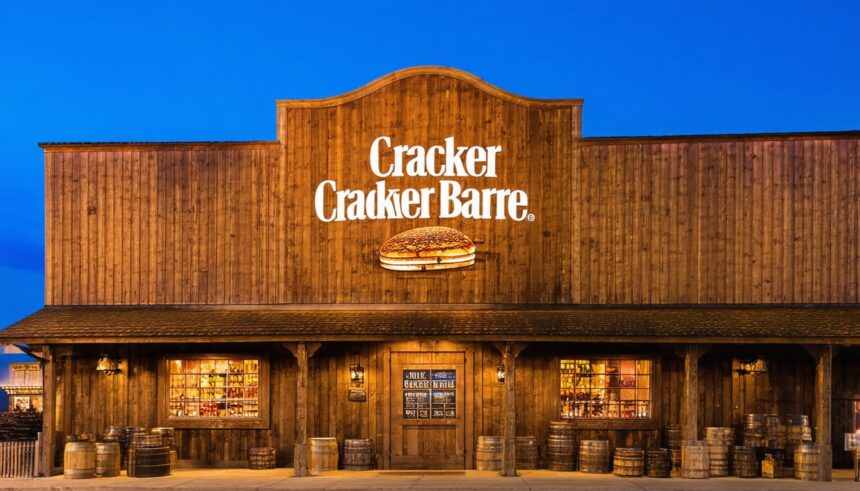
For decades, Cracker Barrel Old Country Store, Inc. (Nasdaq: CBRL) has been a recognizable staple of American roadside dining, blending Southern hospitality with a unique retail experience. For investors, the “cracker barrel stock price” represents far more than a figure on a financial chart—it’s a signal of consumer trends, operational efficiency, and broader economic health. Amid shifting consumer habits and volatility in the restaurant sector, understanding CBRL’s share value and market trends is essential for both newcomers and seasoned stakeholders.
The market’s view on Cracker Barrel’s fundamentals, growth potential, and resilience to industry headwinds plays a pivotal role in determining its stock valuation. As restaurant industry stocks continue to face mounting pressure from inflation, changing travel behaviors, and evolving consumer tastes, CBRL’s journey offers insights into both risk and opportunity.
Historical Performance: From Roadside Roots to Wall Street
Cracker Barrel’s history on the stock market reflects the company’s growth from a local Tennessee eatery in 1969 to a national chain with a deeply loyal customer base. Its stock performance over the past several decades illustrates both the steady rewards and the notable risks inherent to the restaurant and hospitality sector.
Key Milestones and Patterns
- Initial Growth: After going public in the early 1980s, Cracker Barrel’s shares saw periods of robust expansion tied to aggressive store openings across the Southeast and Midwest.
- Dividend Stability: Investors have long valued CBRL’s reliable dividend policy. The company is known for consistent, if modest, dividend increases—an attribute often associated with companies that appeal to income-focused portfolios.
- Macroeconomic Cycles: Like many restaurant stocks, CBRL’s price has historically dipped during broader economic downturns (such as the 2008 recession and the COVID-19 pandemic), only to rebound as consumer confidence and travel recovered.
Beyond just dividends, CBRL’s stock price mirrors the ebb and flow of American consumer behavior—especially the fortunes of highway travel, discretionary spending, and regional tourism.
What Drives the CBRL Share Value?
The factors impacting Cracker Barrel’s share price are both universal among restaurant stocks and uniquely tied to its brand and demographic.
Revenue Streams and Consumer Trends
Cracker Barrel’s dual business model features both eateries and gift shops, with each segment contributing to overall revenue. Menu innovations, seasonal promotions, and expanded retail offerings have all served to diversify income streams and drive comparable store sales.
Inflation and Labor Costs
Rising food and labor costs—ubiquitous challenges in hospitality—put downward pressure on profit margins and, by extension, the CBRL stock price.
Travel and Tourism
The company’s reliance on highway locations links its market performance to travel trends. During the pandemic, reduced road trips and travel-related caution severely impacted revenues. Subsequent rebounds in domestic travel have offered some relief, but uncertainty remains.
Competitive Landscape
Fast-casual chains, delivery platforms, and regional diners present ongoing threats. As consumer preferences evolve, CBRL’s ability to maintain foot traffic and engagement directly influences investor sentiment.
"Cracker Barrel sits at the intersection of nostalgia and necessity,” notes restaurant analyst Diane Lynch. “It’s a brand people turn to for comfort, but like every classic, it must constantly refresh its approach to remain relevant—and that dynamic is always reflected in the stock price."
Recent Market Trends: Volatility and Opportunity
In recent years, CBRL’s stock has experienced notable fluctuations. While the company demonstrated resilience during earlier downturns, the current era is marked by increased volatility, reflecting both sectoral and company-specific pressures.
The Post-Pandemic Rebound
After a sharp dip during the initial stages of COVID-19, Cracker Barrel’s stock price staged a partial recovery as travel returned and restrictions eased. Yet, the pace of recovery has lagged some peers, with continued concerns about elevated costs and slower dine-in traffic.
Digital and Off-Premise Challenges
Unlike many fast-food competitors, CBRL has traditionally lagged in digital ordering and delivery. The pandemic accelerated consumer expectations for convenience and technology, areas where Cracker Barrel has had to make significant investments to remain competitive.
Dividend Adjustments and Capital Allocation
In the wake of recent headwinds, Cracker Barrel made changes to its dividend policy and capital expenditures—a signal that management is seeking both to preserve liquidity and adapt to uncertain demand in the near term.
CBRL in Comparison: Benchmarking Against Peers
A contextual view of Cracker Barrel’s stock price becomes clearer when measured against similar restaurant brands. While CBRL shares features with Darden Restaurants, Texas Roadhouse, and even certain segments of the fast-casual market, its combination of dining and retail is still relatively unique.
Balance Sheet Strength and Brand Loyalty
Cracker Barrel’s reputation for prudent financial management and deep brand loyalty continue to provide buffers against short-term shocks. Unlike many chains, CBRL’s stores often anchor small-town economies and generate multigenerational patronage—an attribute that can mitigate swings in urban-centric markets.
Relative Valuation
Despite some periods of underperformance, analysts point to CBRL’s potential for durable cash flow, especially as inflationary and labor pressures moderate. Its price-to-earnings and dividend yield ratios often remain competitive with—if not distinctly attractive to—investors who value stability over rapid growth.
Key Risks and Strategic Considerations
No discussion of Cracker Barrel’s share value is complete without acknowledging the key risks on the horizon:
- Menu Innovation & Brand Refresh: Failing to evolve menu offerings or refresh the in-store experience could erode customer loyalty.
- Margin Pressures: Persistent cost inflation (for food and wages) may further compress margins unless offset by pricing power or operational efficiencies.
- Succession and Leadership: Like many legacy brands, the company’s strategic direction hinges on its executive team’s vision for modernization and growth.
In line with broader market dynamics, investors should keep an eye on real estate strategy, digital adaptation, and consumer sentiment—especially among Baby Boomers and Gen X, who constitute a major share of Cracker Barrel’s regular clientele.
Strategic Outlook: Where Could CBRL Go Next?
Looking ahead, Cracker Barrel’s prospects hinge on its ability to:
- Accelerate digital transformation (online ordering, loyalty programs)
- Innovate product and retail mix to draw younger demographics
- Leverage its national footprint as travel reverts to pre-pandemic levels
Management’s recent moves to streamline operations and enhance customer experiences will also play a crucial role in restoring confidence in the CBRL stock price, particularly as Wall Street weighs concerns about slowing growth against the company’s long-term stability.
Conclusion: Assessing the Value of Cracker Barrel Stock
Cracker Barrel’s stock price, shaped by decades of brand equity and tested by modern pressures, offers an instructive case study in resilience and reinvention within the American dining sector. For investors and analysts alike, monitoring operational shifts, consumer engagement, and broader economic signals will remain essential to understanding CBRL’s value trajectory. As Cracker Barrel adapts to new market realities, its story will continue to be one of balancing tradition with transformation.
FAQs
What factors influence the Cracker Barrel stock price most?
The primary influences include consumer travel trends, food and labor costs, competitive pressures, and the company’s ability to innovate both menu and retail offerings.
How does CBRL compare to other restaurant stocks?
Cracker Barrel stands out for its dual restaurant-retail model and consistent dividend policy, yet it faces many of the same challenges as other major chains in adapting to digital and delivery trends.
Has Cracker Barrel recovered from pandemic losses?
The company’s stock price has partially rebounded with the return of travel, but full recovery is contingent on sustained traffic, margin improvements, and advancing digital strategies.
Is Cracker Barrel a good dividend stock?
Historically, CBRL has been valued by income investors for its consistent dividends, though recent adjustments reflect the need for caution amid persistent uncertainty.
What should investors watch for in CBRL’s future?
Key signals include advancements in digital engagement, menu and store innovation, cost management, and executive leadership’s commitment to adaptation.
How can I find the current Cracker Barrel stock price?
The latest CBRL share value can be accessed via financial news sites, investment platforms, or directly on the Nasdaq exchange under the ticker symbol CBRL.


Credentialed writer with extensive experience in researched-based content and editorial oversight. Known for meticulous fact-checking and citing authoritative sources. Maintains high ethical standards and editorial transparency in all published work.
