






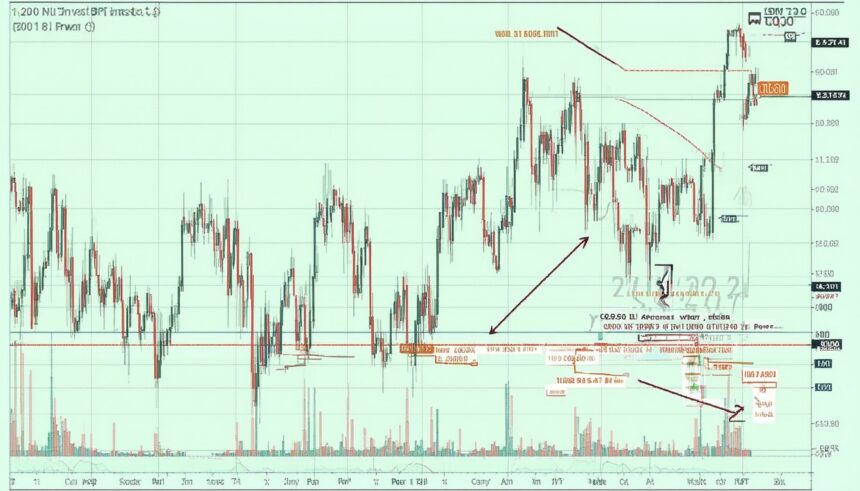
Penny stocks—typically defined as equities trading below $5 per share—have long enticed investors searching for outsized returns. Their low price point allows for significant leverage, yet this same characteristic invites volatility and risk. Despite being overlooked by mainstream institutions, penny stocks can sometimes deliver transformative growth stories, turning small investments into sizable windfalls. For every success, however, many penny stocks falter, underscoring the importance of due diligence and a disciplined approach.
As retail trading platforms democratize market access, more individuals are exploring these speculative stocks. The attraction is clear: limited capital can, in rare cases, yield eye-opening returns, especially when the underlying company executes a rapid turnaround or breakthrough innovation. However, the road to such outcomes is treacherous, paved with illiquidity, regulatory gray zones, and insufficient disclosure.
In this analysis, we’ll examine the mechanics of penny stock investing, showcase a handful of compelling picks, evaluate the risks, and offer expert perspectives to empower smarter decisions in this volatile corner of the market.
Understanding Penny Stocks: Market Dynamics and Investor Profiles
Penny stocks occupy a unique segment of the financial landscape. Most are listed on over-the-counter (OTC) markets like the OTC Bulletin Board (OTCBB) or the Pink Sheets, although a handful trade on major exchanges in compliance with minimum listing requirements.
Key Characteristics of Penny Stocks
- Low Capitalization: Many penny stocks are micro-cap or nano-cap companies with valuations below $300 million.
- Limited Operating History: These firms often lack a proven business track record, having either recently IPO’d or pivoted from earlier strategies.
- Thin Trading Volumes: Liquidity is sparse, resulting in large bid-ask spreads and sometimes abrupt price swings.
- Disclosure Gaps: Financial transparency and regulatory compliance may be less stringent compared to blue-chip stocks.
The risks are real, but so, too, is the potential. Historically, companies such as Monster Beverage and Ford (before its miraculous turnaround in the early 2000s) spent time trading at or near penny stock levels before becoming household names. Yet these stories are outliers—most penny stocks never escape obscurity or persistent financial challenges.
Key Criteria for Selecting Penny Stocks With Growth Potential
Given the potential for outsized gains—but also steep losses—successful penny stock investing hinges on a robust evaluation process. Experts recommend both qualitative and quantitative analysis.
Fundamental Factors to Consider
- Business Model Clarity: Is there a clear value proposition or path to profitability?
- Financial Health: Check cash flow statements, balance sheets, and debt levels for warning signs.
- Management Team: Prior experience, track record, and insider ownership signal commitment and expertise.
- Industry Tailwinds: Favor sectors experiencing expansion (e.g., biotech, green energy) over those in secular decline.
- News Catalyst Pipeline: Regulatory approvals, partnerships, or patent milestones often trigger momentum.
"While many investors chase penny stocks for the thrill, disciplined research and fundamental analysis are what set successful speculators apart from the pack."
— Jessica Barrow, Equity Research Director, Avalon Investment Group
On the technical front, factors such as breakout trading volumes, relative strength, and short interest may provide additional signals for active traders.
Notable Penny Stocks to Watch in 2024
While past performance never guarantees future returns, several penny stocks have emerged as potential candidates for high growth in the current market cycle. Each of these fits one or more selection criteria outlined above, but all require careful, ongoing due diligence.
1. Tonix Pharmaceuticals (TNXP): Biotech on the Rise
Biotechnology remains a fertile ground for penny stock hunters, and Tonix Pharmaceuticals is no exception. This small-cap firm focuses on developing treatments for central nervous system disorders and rare diseases. Recent positive trial data and regulatory progress have driven trading interest, although volatility is to be expected given the binary nature of biotech catalysts.
Pros:
- Diverse drug pipeline with Phase II and III assets
- Positive market reaction to recent trial updates
Risks:
- Pending approvals; failure could result in rapid share declines
2. Electrameccanica Vehicles Corp. (SOLO): Niche EV Innovation
With the global shift toward electric vehicles, even micro-cap entrants have seized attention. Electrameccanica manufactures single-passenger EVs targeting urban mobility challenges. While sales traction remains in early stages, innovative design and strategic partnerships warrant monitoring.
Pros:
- Positioned within a rapidly growing industry
- Product differentiation through single-passenger focus
Risks:
- Intense competition from established automakers and other startups
3. Ideanomics (IDEX): Fintech Meets Sustainable Transport
Ideanomics straddles fintech and mobility, investing in both digital asset infrastructure and electric commercial vehicle solutions. Expansion into EV charging and logistics adds further diversification, making it a multi-theme play.
Pros:
- Diverse revenue streams across high-growth sectors
- Recent acquisitions broaden market footprint
Risks:
- Complexity may dilute management’s focus
4. Denison Mines Corp. (DNN): Next-Gen Energy
Uranium stocks like Denison Mines have gained traction amid renewed interest in nuclear energy. As governments revisit their climate policies, smaller players in the uranium sector could see significant upside.
Pros:
- Ownership of high-potential uranium projects in Canada
- Rising uranium prices amid global supply concerns
Risks:
- Political and regulatory hurdles
- Exploration risk
5. Senseonics Holdings (SENS): Medtech Disruptor
This healthcare technology company develops implantable continuous glucose monitoring systems for diabetes patients. Positive clinical adoption, improved reimbursement policies, and global expansion potential have all contributed to a surge in attention.
Pros:
- Marketed, FDA-approved product with major addressable market
- Recent commercial milestones
Risks:
- Competition from larger incumbents
- Commercial scaling challenges
Risks and Realities: Why Most Penny Stocks Fail
Penny stock investing is not for the faint-hearted. The vast majority of these companies face headwinds that can quickly erode shareholder value. Some of the largest pitfalls include:
- Fraud and Manipulation: The penny stock world has long been associated with “pump and dump” schemes, where share prices are artificially inflated and then dumped for profit.
- Liquidity Traps: Thinly traded stocks can leave investors stranded, unable to exit positions without incurring steep losses.
- Information Asymmetry: Incomplete or non-standard disclosures make it difficult to form an accurate valuation.
The U.S. Securities and Exchange Commission (SEC) regularly issues warnings about the dangers of low-priced OTC stocks. According to FINRA, inflated promises and misleading press releases can lure unsuspecting investors into “story stocks” lacking real substance.
Smart Strategies for Managing Penny Stock Investments
To navigate the landscape with prudence, seasoned investors deploy several best practices:
- Diversification: Don’t overconcentrate on a single name; spread bets across multiple companies and sectors.
- Limit Order Discipline: Always use limit orders to manage entry and exit prices, avoiding slippage in illiquid markets.
- Position Sizing: Commit only a small portion of the overall portfolio to penny stocks.
- Stay Informed: Monitor news releases, regulatory filings, and sector developments daily.
On the behavioral front, eliminating emotional decision-making and setting strict loss limits can further prevent catastrophic missteps.
Expert Insights: The Balanced Approach
Despite the allure, industry veterans consistently recommend tempering expectations.
"Treat penny stocks like high-risk venture capital bets—they’re speculative tickets, not foundations for retirement."
— David Kim, Senior Portfolio Strategist, Harbor Equities
This philosophy underlines the need for realism. Exceptional research can occasionally uncover a breakout winner, yet a defensive mindset should prevail.
Conclusion: Maximizing Reward While Managing Risk
For investors prepared to do their homework and accept heightened risk, penny stocks can offer intriguing, if volatile, growth opportunities. Distilling quality from hype involves rigorous analysis—scrutinizing fundamentals, tracking sector trends, and anticipating catalysts. Above all, judicious portfolio management and adherence to risk controls are non-negotiable. Penny stocks may sparkle in fleeting bursts, but only the disciplined investor will navigate this terrain with both optimism and caution.
FAQs
What are penny stocks and why are they considered risky?
Penny stocks are shares that trade at low prices, often below $5, and are usually issued by small companies. They are risky due to limited liquidity, sparse financial disclosures, and heightened vulnerability to manipulative trading practices.
How can investors identify promising penny stocks?
By assessing the underlying business model, financial stability, management quality, and industry trends, investors can identify companies with higher growth potential. Watching for news-driven catalysts and monitoring trading volumes also helps.
Are penny stocks suitable for long-term investment?
While the potential for dramatic gains exists, penny stocks rarely serve as reliable long-term holdings. Most experts suggest they be regarded as speculative ventures, suitable only for a small portion of the portfolio.
What strategies help manage risks in penny stock investing?
Employing diversification, setting strict position limits, using limit orders, and conducting continuous due diligence help reduce exposure to major losses. Avoid investing based on hype or unsolicited recommendations.
Can penny stocks be traded on mainstream platforms?
Many reputable brokers offer access to penny stocks, but some are exclusively traded on OTC markets, which may entail additional restrictions or disclosure requirements. Always check trading terms before investing.


Credentialed writer with extensive experience in researched-based content and editorial oversight. Known for meticulous fact-checking and citing authoritative sources. Maintains high ethical standards and editorial transparency in all published work.
