





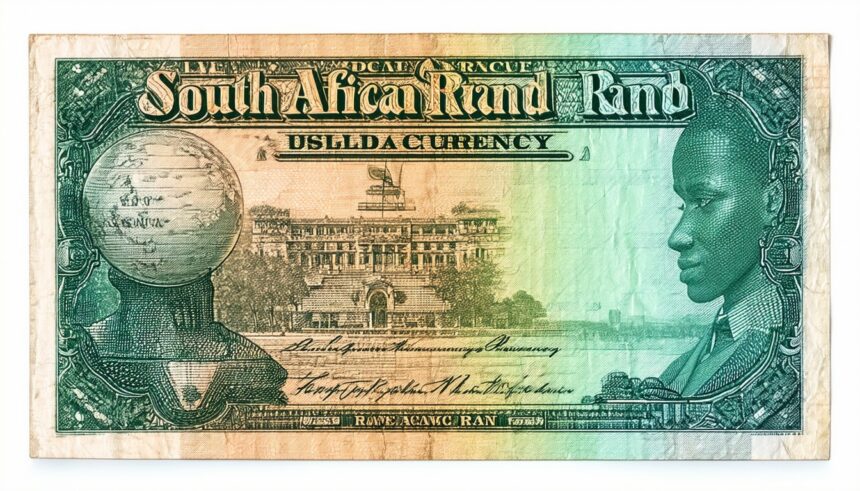
As one of Africa’s most traded currencies, the South African rand (ZAR) is a critical barometer of economic sentiment both within South Africa and among global investors. Its relationship with the US dollar (USD)—the world’s primary reserve currency—serves as a lens through which to view market confidence, economic risk, and the shifting tides of international finance. Whether you’re a traveler, a business owner, or an investor, keeping pace with the ZAR/USD exchange rate is essential for informed decision-making.
The Context: ZAR/USD and Its Economic Significance
The South African rand’s exchange rate against the US dollar is not just a number on a screen. It reflects the relative economic strength and stability between South Africa and the United States. For South Africa, this pairing is particularly significant as the US is among its top export destinations, and the USD sets the standard for many prices in global commodities—including gold and platinum, major South African exports.
Historically, the rand has been known for its volatility. Economic policy changes, political events, and commodity price swings often translate swiftly into exchange rate fluctuations. For instance, during periods of global uncertainty, such as the 2020 COVID-19 pandemic, the rand suffered steep declines as investors flocked to the perceived safety of the dollar.
Factors Influencing the ZAR/USD Pair
Several key drivers shape the exchange rate dynamics between the rand and the dollar:
- Commodity Prices: The value of South African exports, notably precious metals and minerals, greatly impacts the rand’s strength.
- Interest Rate Differentials: Diverging interest rate policies set by the South African Reserve Bank (SARB) and the US Federal Reserve influence capital flows and currency demand.
- Political Stability: Episodes of domestic unrest or governmental shifts in South Africa have historically led to USD strength against the rand.
- Global Risk Appetite: In times of global market stress, investors often pull out of emerging markets, causing the rand to decline relative to the dollar.
Recent years have underscored these relationships. For example, as US monetary policy tightened in early 2022, the rand lost ground amid outflows from emerging markets.
How to Check the Live ZAR/USD Exchange Rate
Access to up-to-the-minute exchange rates is crucial in a world where currency values can shift in seconds. Most major financial websites, banking apps, and currency converter platforms provide real-time USD/ZAR rates, often paired with interactive tools for quick conversions.
Utilizing Online Currency Converters
Digital currency converters help users seamlessly exchange ZAR into USD or vice versa at prevailing market rates. These tools typically pull from aggregated data feeds, offering:
- Real-time Interbank Rates: The true market rate before fees or commissions.
- Conversion Calculators: Input the amount in rand or dollar for instant conversion.
- Historical Comparisons: Graphs and charts showing previous rates for reference.
International transfer services, like Wise or Revolut, and global banks often integrate these calculators for their clients, letting users plan transactions more effectively.
"A transparent, up-to-date currency conversion tool is vital for clients making cross-border payments," says financial analyst David Matlala. "Even small differences in the exchange rate can translate to meaningful amounts, especially for businesses engaged in regular trade."
Trends and Volatility: What Moves the ZAR/USD Rate?
The Role of Global Economics
The dollar, acting as the world’s reserve currency, often benefits during periods of global uncertainty. When risk aversion increases, emerging market currencies like the rand typically weaken as capital retreats to perceived safe havens.
Conversely, rallies in commodity prices or periods of greater investor risk appetite tend to strengthen the rand. For example, during surges in the price of gold—a key South African export—the currency often appreciates.
Domestic Factors in South Africa
Recent history has highlighted the rand's sensitivity to local developments:
- Electricity & Infrastructure: Power supply issues and infrastructure constraints, frequently in the news for South Africa, can weigh on the rand by reducing economic growth prospects.
- Policy Announcements: Major speeches or statements from the SARB regarding interest rates, inflation, or monetary outlook often trigger short-term currency movements.
Beyond government and central bank actions, broader economic indicators—like inflation, unemployment, and consumer confidence—also filter into exchange rate trends.
Scenario: The Impact of Exchange Rate Fluctuations
To illustrate, consider a South African importer needing to pay $100,000 USD for goods sourced from the US. If the ZAR/USD rate shifts from 18.0 to 19.0 between order and payment, the local cost rises from ZAR 1.8 million to ZAR 1.9 million—a 5.5% increase simply due to currency movement.
On the other hand, a strengthening rand allows companies to access foreign goods and services more affordably, improving competitive standing. Individuals, too, can see their purchasing power shift—whether booking travel, paying for international education, or investing abroad.
Currency Exchange Options and Considerations
Bank Transfers vs. Specialist Services
Those converting larger amounts or making business payments should weigh the pros and cons of using a traditional bank versus a fintech provider:
- Banks: Offer security and convenience but often apply wider spreads and higher fees.
- Specialist FinTechs: Provide competitive rates and lower fees but may have limits based on transaction size or country.
Timing and Forward Contracts
Businesses and sophisticated individuals sometimes use hedging strategies like forward contracts to lock in known exchange rates for future needs, reducing risk from sudden FX moves.
"For importers and exporters, planning ahead with forward contracts can provide budget certainty when volatility is high," says Mignon du Plessis, chief risk officer at a Johannesburg trading firm.
South African Rand to USD in the Global Context
Rand as an Emerging Market Indicator
The ZAR is often referred to as a “proxy” for emerging market sentiment. Global currency traders monitor it closely, using its movement as a bellwether for trends in similar economies. This status, while increasing trading volumes, can also amplify volatility as positions are opened and closed based on broader risk perceptions rather than underlying fundamentals.
Long-Term Perspectives
Long-term trends show the rand depreciating against the dollar, reflecting South Africa’s persistent inflation differentials, uneven growth, and episodes of policy uncertainty. However, these trends are punctuated by intervals of appreciation, particularly when South African economic reforms attract new investment or global commodity cycles shift favorably.
Navigating ZAR/USD for Travelers, Investors, and Businesses
While the day-to-day exchange rate can fluctuate widely, South Africans and foreign investors alike can use certain strategies to navigate this volatility:
- Subscribing to rate alerts or using banking mobile apps to monitor real-time movements.
- Consulting financial advisors for hedging and risk management advice.
- Understanding transaction costs, which include not just the spot exchange rate but also bank or broker margins and service fees.
Knowledge of macroeconomic and geopolitical trends delivers a competitive edge, whether making cross-border purchases or executing strategic investments.
Conclusion: Staying Informed and Making Smart Currency Decisions
The exchange rate between the South African rand and the US dollar is more than a reflection of currency markets—it encapsulates economic realities, market sentiment, and global trends impacting millions. By leveraging reliable currency converters, staying updated on market news, and considering professional guidance for large transactions, individuals and organizations can make smarter, more empowered financial decisions in a fluctuating FX landscape.
FAQs
How often does the ZAR/USD exchange rate change?
The exchange rate can fluctuate minute by minute during global trading hours. Factors such as economic reports, political news, and market sentiment all contribute to these real-time shifts.
Are online currency converter rates the same as what I’ll get at a bank?
Online converters typically display the interbank rate, which is the baseline used in the money markets. Banks and currency exchange providers often add a margin on top, so the actual rate you receive may be less favorable.
What is the best time to convert South African rand to US dollars?
There is no universal “best time,” as rates vary due to market conditions. Monitoring the market, setting rate alerts, and consulting experts can help you choose a more advantageous moment for conversion.
Can I lock in a rate for a future transaction?
Yes, some banks and specialized forex providers offer forward contracts, allowing you to secure an exchange rate for a future date. This can be useful for budgeting and mitigating currency risk.
Why is the rand seen as volatile compared to other currencies?
The rand’s volatility is driven by its status as an emerging market currency, exposure to commodity price swings, and sensitivity to both domestic and global political and economic events.
How do economic events in the US affect the ZAR/USD rate?
US events such as Federal Reserve decisions, inflation data, and political developments can influence the USD's strength, which in turn impacts the rand’s value due to capital flows between the two countries.


Seasoned content creator with verifiable expertise across multiple domains. Academic background in Media Studies and certified in fact-checking methodologies. Consistently delivers well-sourced, thoroughly researched, and transparent content.
