






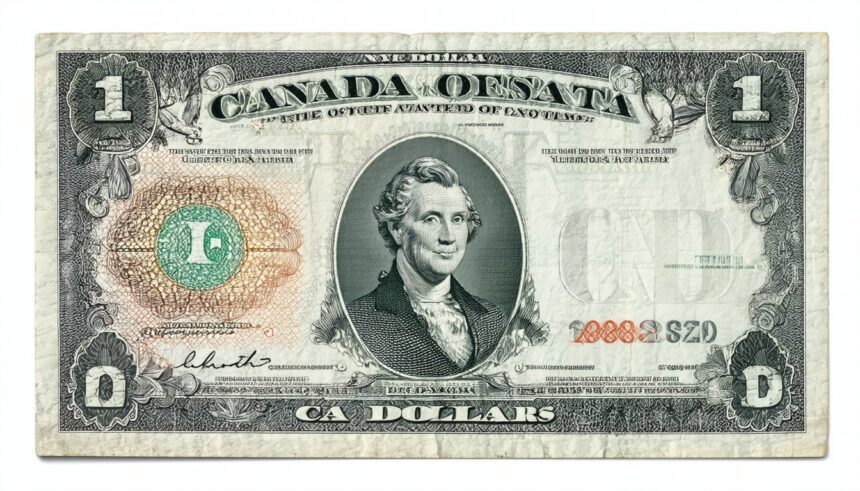
The exchange rate between the Canadian dollar (CAD) and the US dollar (USD) is a critical metric for travelers, investors, exporters, and anyone navigating North American commerce. Fluctuations in this rate influence everything from cross-border shopping trips to the profits of multinational corporations. Understanding what drives the Canada dollar to USD rate—and how to convert or leverage it—provides a significant advantage, especially in a rapidly shifting global economy.
How the Canada Dollar to USD Exchange Rate Is Determined
At its core, the value of the Canadian dollar against the US dollar is determined by supply and demand in the global foreign exchange market. However, numerous economic forces shape this complex relationship.
Key Influencing Factors
Several primary forces drive the CAD/USD relationship:
- Commodity Prices: Canada is a major global exporter of oil, timber, and metals. Rising commodity prices generally bolster the Canadian dollar, while falling prices weaken it.
- Interest Rate Differentials: Interest rates set by the Bank of Canada and the US Federal Reserve heavily influence currency flows. When Canada offers higher rates, its dollar often appreciates, as investors seek better returns.
- Economic Performance: Strong jobs data, GDP growth, and robust trade figures can make the Canadian dollar more attractive.
- Political and Trade Relations: NAFTA (now USMCA) and other trade agreements, along with political stability, play a vital role in market confidence.
In real-world terms, a sharp drop in oil prices can send the CAD tumbling, as seen during the 2014 oil crash. On the other hand, when the US economy surges ahead with aggressive rate hikes, the USD often strengthens against the CAD.
"FX rates don’t move on a single headline; it’s the cumulative effect of data, expectations, and global sentiment that shapes the loonie’s journey," remarks a senior currency strategist at a leading Canadian bank.
Live Exchange Rate: How to Access Real-Time CAD/USD Data
With rapid market movement, accessing up-to-the-minute rates can be critical. While broad economic trends may shift the currency trajectory over months or even years, daily rates are shaped by fast-moving events—from central bank announcements to geopolitical tensions.
Where to Find Live Rates
- Financial News Platforms: Reuters, Bloomberg, and Yahoo Finance offer minute-by-minute CAD/USD updates.
- Bank Websites and Mobile Apps: Most Canadian and US banks provide real-time rates for customers looking to send wires or conduct foreign exchange.
- Dedicated Currency Apps: XE, OANDA, and TransferWise (now Wise) offer interactive tools and alarms for significant rate changes.
- Google Search: Typing “Canada dollar to USD” in search will typically display an instant rate chart, aiding quick conversions.
Why Real-Time Matters
Exchange rates can swing dramatically within hours during economic events. For instance, the Bank of Canada’s interest rate decisions can move the CAD by a full cent or more against the dollar in a single trading session. Travelers, businesses making large purchases, and currency traders all benefit from monitoring live rates to best time their conversions.
Conversion Calculators and How to Use Them
Navigating the actual conversion—how many US dollars you receive for each Canadian dollar—requires more than just a glance at a quoted rate. Financial institutions often add margins, and fees can eat into your total.
Steps for Accurate CAD to USD Conversion
- Find the Live Market Rate: This is the spot rate you’ll see published by major providers.
- Check Your Provider’s Spread: Banks and currency exchanges typically charge a small premium, often 1-3%.
- Account for Fees: Wire transfers, money orders, or ATM withdrawals can add fixed or variable fees.
- Calculate the Final Amount: Use online calculators—such as those from OANDA or XE—inputting any fees where possible for full transparency.
Common Conversion Scenarios
- Travelers purchasing USD in Canada should compare rates at banks, dedicated foreign exchange kiosks, and digital platforms before traveling or making large purchases.
- Businesses regularly moving large sums should explore multi-currency accounts or fintech solutions for reduced costs.
Trends in the Canada Dollar to USD Exchange Rate
The CAD/USD relationship is shaped by both long-term economic trends and short-term volatility. Observationally, the exchange rate has hovered in a relatively broad range over the past decade—often between 1.20 and 1.40 CAD for one USD, though exceptions abound during periods of acute stress or exuberance.
Recent Catalysts and Market Events
- Pandemic Effects: The COVID-19 pandemic initially weakened the CAD as commodity prices tumbled. In the recovery phase, a global demand rebound for resources lifted the Canadian dollar.
- Central Bank Policy Divergence: When the Bank of Canada signals faster rate hikes or tighter policy than the Federal Reserve, the CAD tends to gain ground, and vice versa.
- Global Risk Appetite: During “risk-off” market phases, when global investors seek safety, the USD (as the world’s reserve currency) tends to rise, putting downward pressure on the CAD.
A practical example: In early 2022, commodity strength and hawkish Bank of Canada signals lifted the loonie, even as global uncertainty persisted. Conversely, recession fears or sharp corrections in commodity prices can lead to a rapid USD surge.
Fees, Hidden Costs, and Best Practices for Currency Exchange
Beyond headline rates, understanding the true cost of exchanging CAD for USD involves recognizing bank margins, brokerage fees, and potential ATM charges. Even a small variance can add up substantially in large transfers.
Minimizing Costs
- Compare Multiple Providers: Never settle for the first rate provided—use digital comparison tools.
- Avoid Airport Kiosks: These often have higher margins.
- Consider Online-First Services: Fintechs like Wise or Revolut may offer better rates and lower fees, especially for larger sums.
- Timing Strategy: If possible, monitor rates and transfer when the rate is more favorable.
“For both individuals and businesses, the right currency transfer strategy can save thousands of dollars annually,” notes a veteran foreign exchange advisor at a Toronto-based fintech firm.
Practical Scenarios: When the Canada Dollar to USD Rate Matters
Travelers and Shoppers
Cross-border shoppers watch exchange rates closely, planning larger purchases (such as electronics or luxury items) when the CAD strengthens. Similarly, Canadian snowbirds wintering in Florida often pre-purchase USD ahead of their trip to avoid unfavorable rate swings.
Investors and Exporters
For Canadian exporters, a strong USD relative to CAD boosts competitiveness abroad. Conversely, importers and those with US dollar obligations favor a stronger loonie to keep costs in check.
International Students and Remittances
Families supporting students in the US or sending remittances must carefully time transfers, as even minor rate changes can impact tuition payments or monthly budgets.
Conclusion: Key Takeaways and Strategic Tips
Navigating the Canada dollar to USD exchange rate involves more than watching numbers fluctuate. The interplay of global economics, national policies, and fast-moving financial markets shapes this relationship daily. Informed individuals and businesses not only monitor rates but employ best practices—comparing providers, leveraging fintech solutions, and timing conversions—to maximize value.
By staying proactive and understanding both the macroeconomic context and the fine print of currency conversion, anyone transacting between Canadian and US dollars can minimize costs and make more informed decisions in an ever-changing financial landscape.
FAQs
What factors influence the Canada dollar to USD exchange rate?
The CAD/USD rate is shaped by commodity prices, interest rate differences, economic performance, and geopolitical developments. Changes in oil prices or bank policies can be particularly influential.
How can I get the best CAD to USD conversion rate?
Compare rates from banks, currency exchanges, and online services, and avoid making exchanges at airports or when markets are highly volatile. Some fintech providers also offer more competitive rates with fewer fees.
Do banks and exchange services use the live rate?
Financial institutions often quote a rate close to the live market value but add a margin or “spread” to cover their costs and profit. Always check the final amount you’ll receive after fees.
Is the CAD/USD exchange rate stable?
Over long periods, the rate can fluctuate within a relatively broad band, but short-term volatility is common due to market news, policy changes, or shifts in risk sentiment.
Can timing my exchange save money?
Yes. Monitoring rates and converting when the Canadian dollar is stronger—or during periods of market calm—can make a noticeable difference, especially for larger amounts.
Where can I reliably track live CAD to USD rates?
Major financial news sites, banking apps, and trusted currency conversion platforms like XE or OANDA offer real-time CAD/USD exchange rates and historical charts for analysis.


Seasoned content creator with verifiable expertise across multiple domains. Academic background in Media Studies and certified in fact-checking methodologies. Consistently delivers well-sourced, thoroughly researched, and transparent content.
