





Philip Morris International (NYSE: PM) stands as a global tobacco titan, renowned for its flagship Marlboro brand and increasing focus on smoke-free products. The company’s stock price is regularly scrutinized by investors, analysts, and policymakers alike—a reflection of both the legacy of big tobacco and the challenges of navigating new market realities. Understanding the complex factors shaping PM’s share value requires a close look at its business dynamics, financial performance, and broader market forces.
The Foundations of Philip Morris’s Share Value
Philip Morris’s stock price is influenced by a tapestry of internal and external variables. Unlike tech or growth stocks, PM is often categorized as a “defensive” stock—one that exhibits stability and pays consistent dividends even during economic downturns.
Core Revenue Streams and Market Share
Traditional cigarette sales remain a core revenue driver. Notably, Philip Morris operates exclusively outside the United States, giving it a truly global reach. Its flagship Marlboro brand commands significant market share, especially in Europe and parts of Asia. However, regulatory and social pressures have made diversification crucial.
The Rise of Smoke-Free Alternatives
IQOS, Philip Morris’s leading heat-not-burn device, represents the company’s pivot toward “reduced-risk products.” As of recent years, these smoke-free offerings account for a growing, though still minority, share of total revenue.
“What sets Philip Morris apart is its unwavering commitment to a smoke-free future—backed not just by rhetoric, but by sustained R&D investment and regulatory engagement,” says Altria analyst Tanya Milkovich.
This transition positions PM uniquely within the global tobacco landscape but also introduces new risks, from regulatory hurdles to shifting consumer preferences.
Stock Price Performance and Key Market Indicators
Examining Philip Morris’s stock price movement reveals deeper insights into both company strategy and investor sentiment.
Historical Stock Trends and Volatility
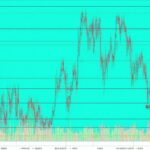
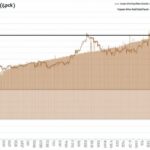
Over the past decade, PM’s share price has experienced periods of both resilience and volatility. The company’s reliable dividend has historically acted as a cushion—PM is classified as a “dividend aristocrat” by many financial observers.
Long-term charts indicate that while PM may not deliver explosive growth, it appeals to income-focused investors drawn by stability and regular payouts. Global economic disruptions, foreign exchange fluctuations, and evolving tobacco regulation occasionally exert pressure on the stock, though it typically recovers swiftly due to the inelastic nature of tobacco demand.
Valuation Metrics: Earnings, Dividends, and P/E Ratio
Philip Morris’s valuation is closely watched through classic metrics:
- Price-to-Earnings (P/E) Ratio: PM generally trades at a mid-to-high teens P/E—less aggressive than high-growth sectors, but higher than some legacy tobacco peers due to its innovation trajectory.
- Dividend Yield: The company has historically delivered an attractive dividend yield, often outpacing S&P 500 averages.
- Earnings Growth: Recent quarterly reports show steady earnings with incremental improvement from the smoke-free portfolio.
Driving Forces Behind Recent Share Price Movements
Multiple trends and news cycles have contributed to PM’s recent share price trajectory.
Expansion in Emerging Markets
While established markets have seen declining cigarette volumes due to regulation, Philip Morris’s growth in regions like Asia Pacific and parts of Eastern Europe has served as an offsetting factor. The company’s adaptability in tailoring products for diverse regulatory regimes has proven valuable.
Regulatory Changes and Litigation Risk
Tobacco is among the most heavily regulated industries in the world. New legislations, such as plain packaging mandates, advertising bans, and taxation hikes, can materially impact volume and profitability—affecting share price. Litigation remains a structural risk, although Philip Morris’s international focus provides some insulation from the most aggressive legal environments.
The Shift to Environmental, Social & Governance (ESG) Investing
ESG criteria increasingly influence institutional investments. While PM’s core business is inherently controversial, its push toward smoke-free alternatives and transparent reporting has attracted some ESG-minded investors looking for companies that embrace transition.
Comparing Philip Morris With Industry Peers
Understanding Philip Morris’s valuation and prospects is easier in context.
Competitive Landscape
Key competitors include British American Tobacco (BAT), Japan Tobacco International (JTI), and Imperial Brands. While all majors are transitioning to next-generation products, PM’s early and substantial bets on IQOS and related platforms have positioned it as an innovation leader.
Dividend Reliability Versus Growth Ambitions
Some peers offer higher yields or more aggressive M&A strategies. Philip Morris, however, emphasizes a balance of payout reliability and gradual portfolio transformation—appealing to cautious investors.
Strategic Outlook: Future Trends Affecting PM Share Value
The future trajectory of Philip Morris’s stock price will depend on several emerging factors.
Acceleration of Smoke-Free Revenues
If IQOS and similar products reach forecasted growth targets, the company’s topline could see a meaningful rebalancing away from cigarettes. Much will depend on regulatory acceptance of new products and successful consumer adoption in countries like Japan and Italy, where smoke-free already accounts for a significant revenue share.
Technological and Scientific Investments
Philip Morris isn’t just rebranding—it’s heavily investing in proprietary heating technology and public health science. The success of new clinical trials, manufacturing efficiencies, and patent protections may further differentiate PM from both traditional peers and new market entrants.
Geopolitical Uncertainty and Foreign Exchange Dynamics
As a global operator, Philip Morris must continually manage macro-level risks such as currency volatility, trade policies, and shifting health regulations in key markets.
Conclusion: What Investors Should Watch Next
While the Philip Morris stock price is often a bellwether for the broader tobacco sector, its evolving business model casts it as a hybrid: part defensive dividend play, part innovation-driven growth story. The path forward will likely hinge on the pace of IQOS adoption, regulatory developments, and the company’s success in balancing tradition with transformation.
For portfolio managers and individual investors alike, ongoing due diligence—tracking earnings calls, regulatory filings, and consumer adoption metrics—may deliver the clearest signals for future performance.
FAQs
How does Philip Morris generate most of its revenue?
Philip Morris’s primary revenue comes from the sale of traditional cigarettes globally, with Marlboro as its leading brand. However, smoke-free products like IQOS are forming an increasing portion of the company’s income.
What makes Philip Morris’s dividend appealing to investors?
The company’s reliable dividend payments, often at yields above industry averages, position PM as a stable income-generating stock, especially attractive during periods of market volatility.
How are regulatory changes impacting PM’s share price?
New tobacco regulations or litigation can cause short-term price swings, but the company’s robust international presence and focus on smoke-free alternatives provide some risk mitigation.
Is IQOS success crucial for Philip Morris’s future growth?
Yes. The adoption and regulatory acceptance of IQOS and other smoke-free products are central to the company’s growth strategy and long-term valuation.
How does PM compare to its tobacco industry peers?
Philip Morris distinguishes itself through its focus on innovation and international markets, while competitors may emphasize different products or regions. Its consistent dividends and smoke-free vision set it apart.
What risks should investors monitor regarding PM stock?
Key risks include regulatory shifts, evolving consumer health attitudes, currency fluctuations, and the outcome of ongoing investments in new product categories. Staying informed on these fronts helps assess PM's risk-return profile.


Professional author and subject matter expert with formal training in journalism and digital content creation. Published work spans multiple authoritative platforms. Focuses on evidence-based writing with proper attribution and fact-checking.
