





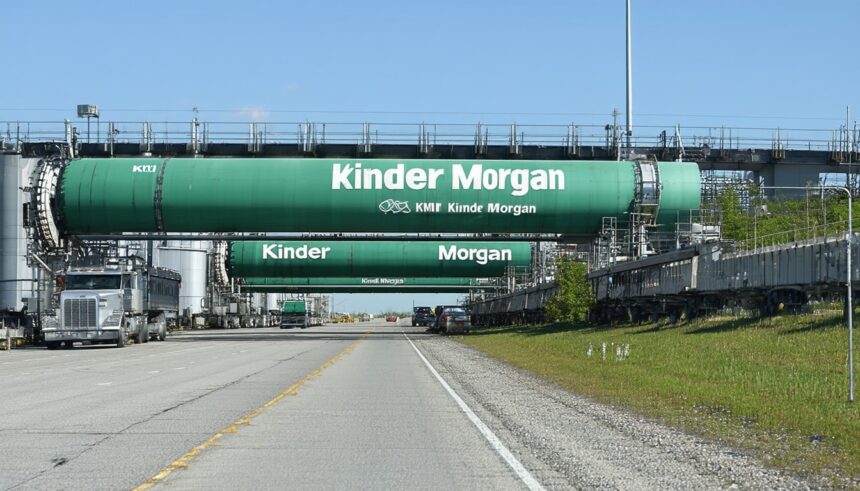
Kinder Morgan Inc. (NYSE: KMI) is a cornerstone of North America's energy infrastructure, operating more than 80,000 miles of pipelines and 140+ terminals. As one of the largest energy infrastructure companies in the United States, Kinder Morgan’s stock price serves as a vital barometer not only for investors but also for anyone tracking the fortunes of the broader energy sector. The KMI share price has historically reflected trends in global commodity prices, shifts in regulatory policy, and broader movements in the U.S. stock market.
In recent years, energy investors have navigated volatile cycles—marked by fluctuating oil and gas prices, the transition to renewables, and evolving government policy. Through these changes, Kinder Morgan’s stock price remains closely watched for signs of both stability and opportunity.
Today’s KMI Share Value: Market Drivers and Price Dynamics
Real-Time Influences on Kinder Morgan's Stock Price
The Kinder Morgan stock price isn’t dictated by a single factor. Instead, it ebbs and flows with a mix of real-time market signals, operational news, and macroeconomic dynamics.
Key influences include:
- Commodity Prices: KMI’s earnings are indirectly affected by oil and natural gas prices. When energy prices rise, demand for pipeline transport and storage generally increases, supporting Kinder Morgan’s revenues.
- Interest Rates: As a dividend-payer with substantial infrastructure assets, KMI’s valuation is sensitive to changes in interest rates. Higher rates can lead to greater competition from bonds, potentially pressuring the share price.
- Regulatory Environment: Changes in environmental policies, pipeline permitting, and federal energy guidelines can swiftly impact outlooks for the company.
- Quarterly Earnings and Guidance: Kinder Morgan’s earnings reports—especially updates on capital projects, dividend outlooks, or debt management—often spark immediate reactions in the share price.
Despite these varied influences, Kinder Morgan tends to appeal to long-term, income-oriented investors, given its consistent dividend payout and relatively stable business model.
How Does KMI Compare to Sector Peers?
On a year-to-date basis, Kinder Morgan’s stock price performance often contrasts with more volatile upstream oil and gas companies, like ExxonMobil or Chevron. While KMI’s movements are less dramatic, its steadier cash flows and high-yield dividends have attracted a different investor set—those seeking lower risk with stable returns.
"Kinder Morgan isn’t a high-growth play like some shale producers, but it offers something just as important for many portfolios: visible cash flows and resilience during energy sector downturns."
— Energy sector analyst, Houston-based brokerage
Historical Performance and Volatility Assessment
KMI Share Price Trends: Past Five Years
A closer look at Kinder Morgan’s historical price performance reveals a story of measured resilience:
- 2019: KMI recovered alongside the rebound in energy prices, benefiting from renewed interest in pipeline projects.
- 2020 Pandemic Impact: The COVID-19 crisis saw energy demand plummet and share prices across the energy sector decline sharply. Kinder Morgan’s diversified business, however, blunted the impact compared to many upstream players.
- 2021–2022: Inflationary trends, robust natural gas exports, and infrastructure stimulus bolstered sentiment, helping shares recover.
- 2023–Present: Investors continue to weigh inflation, regulatory shifts, and energy transition trends. KMI’s stock price has demonstrated limited volatility relative to smaller, growth-oriented energy firms.
Volatility and Dividend Stability
While the energy industry is known for price swings, Kinder Morgan’s stock historically exhibits lower beta—meaning its share price is less volatile than the broader S&P Oil & Gas index. The consistent dividend, regularly yielding above the S&P 500 average, serves as a buffer.
Kinder Morgan’s Business Drivers: Fundamentals Behind the Price
Revenue Streams and Asset Base
Kinder Morgan’s revenues are derived from:
- Natural Gas Pipelines: The largest segment, with assets spanning key U.S. regions like the Permian Basin and Texas Gulf Coast.
- Product Pipelines: Including refined petroleum pipelines and terminals serving manufacturers and utilities.
- Terminals: Storing and handling a range of bulk products, chemicals, ethanol, and more.
- CO₂ Operations: A smaller but growing segment focused on enhanced oil recovery and carbon management.
Strategic Projects and Earnings Prospects
The company has focused recent growth capital on natural gas infrastructure, supporting the U.S.’s growing LNG exports. Projects like the Permian Highway Pipeline and ongoing expansion initiatives are designed to tap new revenue streams and reinforce long-term stability. As demand for North American LNG rises and policymakers promote grid reliability, these investments have helped steady the KMI share price.
Analyst Views and Valuation Trends
Analyst Ratings and Expectations
Major financial institutions routinely cover Kinder Morgan, with the consensus typically skewing toward “hold” or “buy,” given the company’s predictable cash flows and dividend policy. Many note that KMI trades at a modest valuation compared to peers, with room for upside as new projects come online and the energy transition accelerates.
Valuation Metrics to Watch
For investors tracking Kinder Morgan, important metrics include:
- Price-to-Earnings (P/E) Ratio: Tends to fall below broader market averages, reflecting the regulated nature of its revenues.
- Dividend Yield: Attracts income-focused investors and can serve as a floor for the share price.
- Debt Metrics: Infrastructure firms often run high leverage, so interest coverage and debt/EBITDA ratios are critical for assessing the company’s financial health.
The Role of Kinder Morgan in the Clean Energy Transition
Adaptation and Long-Term Outlook
Kinder Morgan has signaled an intent to diversify its operations beyond traditional oil and gas. Recent initiatives in renewable natural gas (RNG), carbon capture, and hydrogen infrastructure reflect a wider push to adapt. These efforts, though in early stages relative to traditional assets, are monitored by analysts as potential long-term value catalysts.
In practice, KMI’s existing gas infrastructure places the company at the center of the U.S. interim energy transition, bridging fossil fuels and renewables. While not immune to market shifts, Kinder Morgan's adaptation strategy provides a measure of future-proofing.
Risks and Opportunities for KMI Stockholders
Key Investment Risks
- Regulatory Hurdles: Heightened permitting challenges or new emissions regulations can limit pipeline expansion.
- Commodity Cycles: While less exposed than upstream peers, KMI’s revenues can still fluctuate with broad changes in energy demand.
- Debt Load: As with many infrastructure companies, leverage remains a watchpoint—especially during periods of rising interest rates.
Opportunities Ahead
- Dividend Growth: Continued cash flow generation may support further dividend increases.
- Energy Exports: Growth in LNG and U.S. energy exports creates opportunities for pipeline and terminal expansions.
- Low-Carbon Investments: If current pilot projects in carbon management and RNG gain traction, Kinder Morgan’s business model could become more resilient—and attractive—to a wide class of investors.
Conclusion: What’s Next for Kinder Morgan Stock Price?
Kinder Morgan’s stock price reflects a careful balance of risk and reward. For investors looking for steady income, moderate price volatility, and exposure to the backbone of North America’s energy infrastructure, KMI remains a leading choice. The company’s focus on cash flow stability, disciplined capital spending, and measured innovation in cleaner energy technologies position it as both a defensive play and a gradual participant in the energy transition.
Monitoring upcoming quarterly results, regulatory developments, and news on major infrastructure projects will provide the clearest signals for KMI’s share direction. For now, Kinder Morgan continues to distinguish itself with a disciplined, income-oriented approach in a sector often defined by volatility.
FAQs
What is Kinder Morgan’s primary source of revenue?
Most of Kinder Morgan’s revenue comes from fees for transporting and storing oil, natural gas, and refined products via its vast network of pipelines and terminals.
Does Kinder Morgan pay a dividend?
Yes, Kinder Morgan is known for its consistent dividend payments, making it particularly attractive to income-focused investors.
How does the energy transition affect Kinder Morgan’s business?
While traditional energy transport is still Kinder Morgan’s core, the company has begun investing in renewable natural gas, carbon management, and related technologies to adapt to the evolving energy landscape.
Is Kinder Morgan stock sensitive to oil and gas prices?
KMI is less sensitive to direct commodity price fluctuations than upstream producers, but overall market dynamics and energy demand do influence its earnings and, consequently, the share price.
What are the main risks for Kinder Morgan shareholders?
Key risks include regulatory challenges, commodity market volatility, and the company’s reliance on debt financing—all of which can impact earnings and share price performance over time.
How does Kinder Morgan compare with other pipeline companies?
KMI is one of the largest U.S. pipeline operators and is often viewed as less volatile and more income-oriented compared to peers focused on rapid growth or international exposure.


Certified content specialist with 8+ years of experience in digital media and journalism. Holds a degree in Communications and regularly contributes fact-checked, well-researched articles. Committed to accuracy, transparency, and ethical content creation.
