






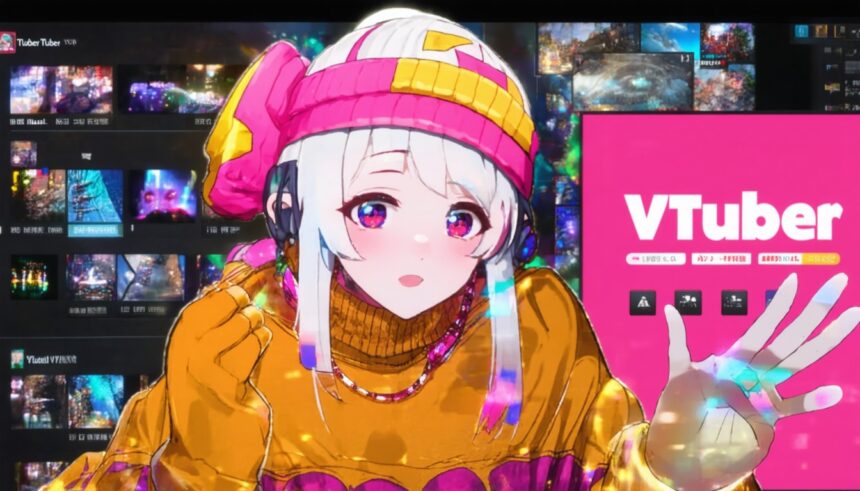
Virtual YouTubers, or VTubers, have emerged from a fusion of technology, pop culture, and digital performance, igniting a new era of internet entertainment. Blending storytelling with computer-generated avatars, VTubers have attracted millions of fans across the globe—driven as much by technological advancements as by creative communities. To grasp how this trend has evolved—and why it commands such attention—it’s important to explore the meaning of VTubers, their cultural origins, and the technical artistry behind their performances.
What Is a VTuber? Breaking Down the Meaning
At its core, a VTuber is an online content creator who uses a digital avatar—typically anime-inspired—to represent themselves on video platforms, most notably YouTube and Twitch. Instead of appearing on screen in person, VTubers stream, record videos, and interact with their audience through this animated persona. The “V” in VTuber stands for “virtual,” emphasizing the distinction between these creators and traditional YouTubers.
VTubers utilize real-time motion capture or face-tracking software, allowing the digital character to mimic their voice, facial expressions, and gestures. This setup enables them to create a performative distance between their real identity and their digital persona, often enhancing creativity and privacy. Content produced by VTubers ranges from playing video games and singing to hosting talk shows and participating in collaborative events.
Not all VTubers are human-controlled: some, like AI-generated personalities, explore the boundaries between creator and creation. However, the majority are driven by talented individuals—often aided by small teams—who script, improvise, and engage audiences in real-time.
Origins: From Niche Japanese Phenomenon to Global Movement
While digital avatars have a long history in animation and gaming, the VTuber phenomenon crystallized in Japan in the mid-2010s. The widely acknowledged pioneer is Kizuna AI, who debuted in late 2016. Her self-description as a “virtual YouTuber” coined the term and set the template for a new genre.
Kizuna AI was notable for her advanced 3D modeling, expressive motion capture, and playful personality. Her rapid ascent inspired a wave of imitators, catalyzing a boom of virtual creator activity on Japanese and, soon after, international platforms.
By the late 2010s, agencies like Hololive, Nijisanji, and VShojo began to organize and manage groups of VTubers, providing technical, marketing, and production support. These agencies helped professionalize the space, expanding opportunities for collaboration and cross-cultural exchange.
"The rise of VTubers is a fascinating case study in digital identity, leveraging both cultural affinity for anime and the affordances of emerging technology," observes Dr. Kazuo Nakamura, a media studies professor specializing in internet subcultures.
The phenomenon quickly transcended language barriers. Subtitled clips, international fans, and multi-lingual broadcasts pushed VTubers beyond the Japanese market, making them a fixture in global streaming culture. Today, English-speaking VTubers, such as Gawr Gura or Ironmouse, boast large followings and consistently rank among the most-watched streamers online.
The Technology Behind VTubers: How Virtual YouTubers Work
At the technical level, VTubers rely on a blend of digital hardware and sophisticated software to bring their characters to life. The core workflow typically involves:
1. Avatar Creation
A VTuber’s persona is embodied in a 2D or 3D digital model. Popular tools for 2D design include Live2D and FaceRig, offering facial tracking and expressive animation. For 3D models, software like VRoid Studio, Unity, and Blender are widely used, allowing for full-body motion and greater freedom of movement.
Professional VTubers often commission designers, illustrators, and riggers to craft unique avatars that express distinctive traits, from fantastical costumes to dynamic hair physics.
2. Motion Capture and Face Tracking
To animate the avatar in real-time, VTubers use webcams or depth sensors (such as iPhones with Face ID or specialized tracking gear). These tools capture facial movements, head gestures, and sometimes body position, mapping them onto the digital model with impressive fidelity.
Advanced setups may use full-body motion capture suits, but many VTubers opt for accessible solutions that require only simple equipment and software, lowering the barrier to entry.
3. Broadcasting and Audience Interaction
Streaming platforms like YouTube, Twitch, and Bilibili provide VTubers with access to global audiences. Integrated overlays, live chat interactions, and real-time donation alerts foster high levels of engagement and community building.
Most VTuber broadcasts combine live performance with pre-programmed assets (such as backgrounds, props, and scene changes), creating immersive experiences. Some agencies even coordinate voice actors and technical staff behind the scenes, enhancing production quality.
Why Are VTubers So Popular? Cultural and Psychological Drivers
The meteoric surge of VTuber fandom can be traced to several intertwined factors:
- Escapism and relatability: Anime and gaming aesthetics appeal to fans seeking fantasy and emotional resonance. Unlike traditional celebrities, VTubers are approachable, with frequent direct chats and candid, unscripted moments.
- Community and collaboration: VTubers often collaborate, fostering a sense of shared universe and ongoing narrative. Events like group gaming sessions or digital concerts draw loyal fans and amplify exposure.
- Anonymity and authenticity: The veil of the avatar allows creators to express themselves with reduced anxiety about public appearance, sometimes resulting in more genuine or uninhibited performances.
- Technical innovation: The novelty of virtual embodiment and real-time interactivity excites tech-savvy viewers and industry observers alike.
The commercial ecosystem responding to these trends is significant. Many VTubers enjoy revenue through ads, direct support (Super Chats, memberships), merchandise, and sponsorships—mirroring and, at times, surpassing earnings of traditional streamers.
Real-World Examples: Industry Leaders and Breakout Stars
VTuber culture has spawned a growing roster of breakout personalities and successful agencies:
- Kizuna AI: Known as the original VTuber, Kizuna AI helped shape the industry and remains a touchstone for innovation.
- Hololive Production: With talent across multiple languages, Hololive’s members routinely draw hundreds of thousands of live viewers, host digital concerts, and partner with major brands.
- VShojo: Based in the United States, VShojo emphasizes creator autonomy, supporting personalities like Ironmouse, who set streaming viewership records.
- Independent Creators: Outside agencies, solo VTubers such as Projekt Melody or Shylily thrive on niche communities, demonstrating the format’s flexibility.
Brands and game publishers have taken note. For example, companies from Netflix to SEGA have collaborated with VTubers for promotions, reflecting the format’s rising cultural cache.
Challenges and the Future of VTuber Culture
Despite its dazzling rise, the VTuber ecosystem faces challenges. Discoverability, copyright management, and the mental health of creators top the list. Additionally, the distinction between character and performer can sometimes blur ethical boundaries, particularly when sensitive personal disclosures intersect with fictionalized identities.
Still, the momentum appears strong. As tools mature and international participation grows, VTubers are carving out a sustainable, dynamic niche in digital entertainment—a space influenced as much by community and creativity as by code and algorithms.
Conclusion
VTubers represent a transformative blend of technology, performance, and global fandom that continues to reshape online content creation. Their digital personas invite audiences into worlds of fantasy and interaction, pioneering new models of entertainment and community. For creators, brands, and fans alike, staying attuned to this vibrant space can unlock both inspiration and opportunity. As virtual performance tools evolve, expect VTubers to remain at the forefront of internet culture and innovation.
FAQs
What is a VTuber in simple terms?
A VTuber is an online content creator who uses an animated digital avatar—usually resembling an anime character—to stream, make videos, or interact with fans on platforms like YouTube.
How do VTubers animate their avatars?
Most VTubers rely on motion capture and face-tracking software, which uses devices like webcams or smartphones to map their facial expressions and movements onto a digital character in real time.
Can anyone become a VTuber?
Yes, with the right software and equipment, anyone can create a digital avatar and start streaming as a VTuber. Passion, creativity, and consistent engagement are key to growing an audience.
Are all VTubers part of agencies?
No, while many high-profile VTubers belong to agencies for technical and promotional support, many operate independently and build unique brands on their own.
Why do people like VTubers so much?
Fans enjoy VTubers for their entertaining personalities, creative visuals, interactive streams, and the sense of welcoming, tight-knit communities they foster.
Do VTubers make money?
Many VTubers earn income through ads, fan donations, memberships, sponsorships, and merchandise. Some can achieve significant success, rivaling conventional internet personalities.


Professional author and subject matter expert with formal training in journalism and digital content creation. Published work spans multiple authoritative platforms. Focuses on evidence-based writing with proper attribution and fact-checking.
