






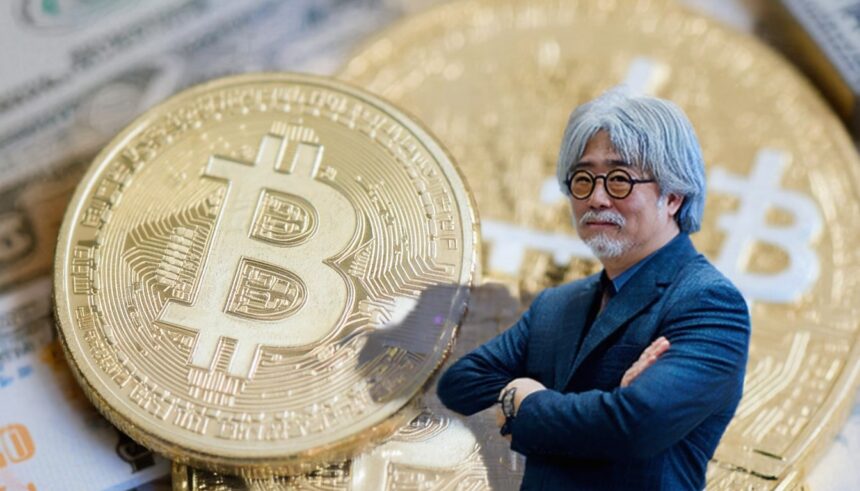
The identity and net worth of Satoshi Nakamoto—the pseudonymous creator of Bitcoin—remain among the most enduring mysteries in the digital age. Launched in 2009, Bitcoin has evolved from an obscure cryptographic experiment into a trillion-dollar asset class that disrupts finance, technology, and global policy. Amid this wave, speculation about the wealth amassed by Nakamoto has intensified, not just as a curiosity, but as a central narrative about wealth, privacy, and the future of money.
Tracing the Origins: Satoshi Nakamoto’s Early Bitcoin Holdings
The Genesis Blocks and Early Transactions
When Bitcoin debuted, its network was maintained by Nakamoto and a handful of early adopters. As the first miner, Nakamoto received the rewards for solving the initial blocks in Bitcoin’s blockchain—including the so-called "genesis block," which cannot be spent, and subsequent blocks where mined coins remain untouched.
Careful blockchain analysis conducted by independent researchers, including Sergio Demian Lerner, estimates that Nakamoto mined approximately 1 million bitcoins in the first year or so of Bitcoin’s existence. These coins are distributed across thousands of wallet addresses—many of which have never seen any outgoing transactions.
Advanced Forensics and Transparency
Unlike traditional bank accounts, all Bitcoin transactions are publicly available on the blockchain, but the identity behind each address remains shielded unless voluntarily disclosed. Analysts have used patterns in mining output, block timing, and transaction behavior to deduce which wallets likely belong to Nakamoto. Despite occasional movement of older coins, there is no verified evidence of Satoshi spending or transferring the early BTC, fueling ongoing public fascination.
Calculating Satoshi Nakamoto’s Net Worth
Volatility and Valuation
Nakamoto’s net worth is inherently tied to Bitcoin’s highly volatile price. When the cryptocurrency peaked at an all-time high, Satoshi’s holdings—estimated at around 1 million BTC—would have made them one of the wealthiest individuals on the planet by nominal value.
To provide perspective:
- When Bitcoin traded at $1,000, Satoshi’s stash was “worth” $1 billion.
- At $20,000 per coin, the paper value soared to $20 billion.
- During the bull runs of 2021 and subsequent surges, with Bitcoin exceeding $60,000, Satoshi’s potential net worth hovered near $60 billion.
Of course, this assumes all coins could be sold at prevailing market rates—an unlikely scenario for several reasons, including market liquidity and the broader impact of such a sale.
"If Satoshi ever decided to move or liquidate the original coins, it would be the most significant event in the history of Bitcoin—a test not just of network sentiment, but of the coin’s true market depth," notes Michael del Castillo, Senior Editor at Forbes.
The Impact of Dormancy
Remarkably, the coins attributed to Nakamoto have largely remained unmoved, reinforcing speculation about whether the creator is alive, lost access, or steadfastly committed to a principle of decentralization.
Their dormancy adds a unique wrinkle: while the sheer nominal value ranks among the world’s top fortunes, the real economic impact is effectively zero unless those coins are put into motion.
Theories and Myths: Satoshi, Identity, and Wealth
Who Is Satoshi Nakamoto?
Despite intensive investigations by journalists, cryptographers, and law enforcement, Nakamoto’s true identity remains elusive. Some believe Satoshi is an individual; others posit a group effort, possibly involving prominent cryptographers or computer scientists.
Numerous candidates have been suggested, from Hal Finney (an early Bitcoin contributor) to Nick Szabo and Dorian Nakamoto, but no definitive proof has emerged. This anonymity is crucial—not merely a personal decision, but a philosophical stance against authority, single points of failure, and undue influence over Bitcoin’s development.
Why Keep the Fortune Untouched?
Several theories circulate about why Nakamoto’s bitcoin remains unspent:
- Security Concerns: Moving coins could expose Nakamoto and trigger scrutiny or extortion.
- Philosophical Reasons: Spending the coins could contradict the ideal of decentralization—removing the “founder’s risk.”
- Technical Barriers: Loss of private keys might have rendered the fortune inaccessible.
- Legal Ambiguity: Given evolving regulations, cashing out may raise regulatory red flags or tax questions across jurisdictions.
Wealth in Context: Comparing Satoshi’s Net Worth
Ranking Against the World's Richest
On paper, Nakamoto’s calculated wealth would often place them within the top-20 richest individuals globally, rivaling figures such as Elon Musk, Jeff Bezos, and Warren Buffet at times of Bitcoin’s peak.
However, most billionaires hold diversified assets—shares, real estate, businesses—while Satoshi’s fortune is concentrated almost entirely in Bitcoin. This exposes their net worth to dramatic fluctuations far beyond typical portfolios.
"Illiquidity Discount" and Market Dynamics
If Nakamoto ever attempted to sell a significant portion of their holdings, the market price of Bitcoin would likely plummet, making it nearly impossible to realize full nominal value. This phenomenon, known as an “illiquidity discount,” is a key factor for any large asset holder.
Moreover, the visibility of blockchain transactions means any movement from Nakamoto-linked wallets would be detected immediately, likely triggering widespread speculation and impacting Bitcoin’s fundamental narrative.
The Significance of Satoshi’s Net Worth for Bitcoin’s Future
Trust, Decentralization, and Symbolism
The untouched fortune plays symbolic and practical roles for the broader crypto ecosystem:
- Community Reassurance: The lack of activity signals that no one person wields outsized control over Bitcoin’s fate.
- Decentralized Legacy: By refraining from spending, Nakamoto emphasizes Bitcoin’s resistance to centralized influence, akin to gold held in deep storage.
- Contingency and Caution: Observers continue to monitor dormant wallets, ready to react should any movement suggest a change in Nakamoto’s philosophy or circumstances.
Precedent for Other Cryptocurrencies
The example set by Satoshi has influenced subsequent blockchain projects, where founder coins, pre-mines, or centralized reserves often come under scrutiny. Transparency, or at least the non-movement of early assets, is now seen as best practice to avoid perceived conflicts of interest.
Conclusion
Satoshi Nakamoto’s net worth remains one of the most fascinating, enigmatic, and debated aspects of the cryptocurrency world. Beyond headline-grabbing numbers, the dormant fortune underlines the philosophical foundations of Bitcoin: decentralization, transparency, and trustless value transfer. As long as the early coins remain untouched, they serve as a symbol of the network’s founderless ethos—a “ghost fortune” that may never move, yet profoundly shapes Bitcoin’s mythology and market psychology.
FAQs
How many bitcoins does Satoshi Nakamoto own?
Analysts estimate that Satoshi Nakamoto owns about 1 million bitcoins, primarily mined during the cryptocurrency's first year. These holdings are spread across thousands of early wallet addresses.
Has Satoshi Nakamoto ever sold any of their bitcoins?
There is no verified evidence that Satoshi has spent or transferred their original coins. The wallets associated with the creator have remained inactive for over a decade.
How much is Satoshi Nakamoto’s bitcoin worth today?
The value fluctuates with Bitcoin’s price. At Bitcoin’s peak, Satoshi’s estimated holdings were worth tens of billions of dollars, but given no coins have moved, this remains a theoretical figure.
What would happen if Satoshi sold all their bitcoins?
If Satoshi attempted to liquidate a significant share of their holdings, it would likely cause a sharp drop in Bitcoin’s price and trigger major market volatility. Such a move could undermine confidence in the broader cryptocurrency market.
Could Satoshi Nakamoto’s fortune ever be accessed by someone else?
Unless someone gains access to the private keys for the original wallets, the bitcoins cannot be spent. If those keys are lost or destroyed, the coins are effectively inaccessible forever.
Why is Satoshi Nakamoto’s net worth important for Bitcoin?
Satoshi’s untouched fortune reassures the community about the decentralized and founderless nature of Bitcoin. Any movement of the coins could have significant repercussions for market sentiment and network trust.


Seasoned content creator with verifiable expertise across multiple domains. Academic background in Media Studies and certified in fact-checking methodologies. Consistently delivers well-sourced, thoroughly researched, and transparent content.
