






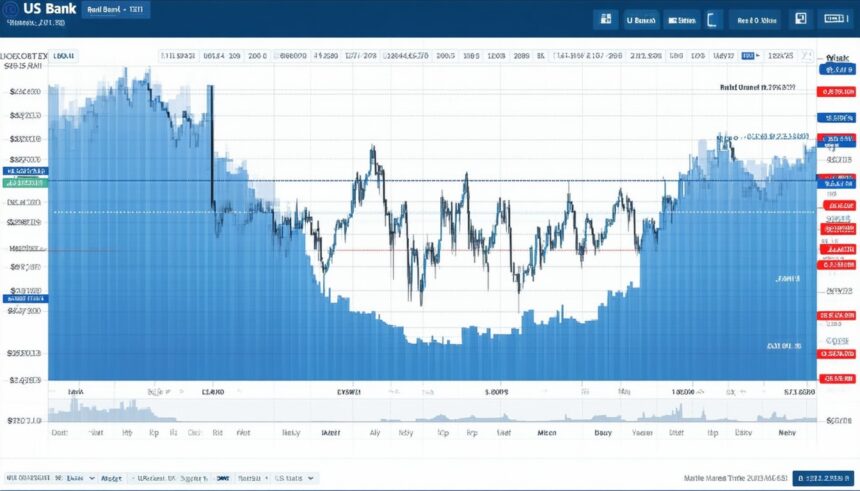
As one of the pillars of the American financial sector, U.S. Bancorp (commonly known as US Bank) is closely watched by investors, analysts, and market commentators. The US Bank stock price acts not just as a barometer of the company’s own fortunes, but often reflects larger trends in banking, consumer sentiment, and national economic outlook. To truly assess the performance and prospects of US Bank’s stock, it is essential to blend real-time data with a nuanced understanding of financial history, regulatory environment, and prevailing market forces.
What Drives US Bank Stock Price Movements?
The price of any public company’s stock is shaped by a complex set of factors, and U.S. Bancorp is no exception. The interplay of company-specific metrics, industry dynamics, economic cycles, and investor psychology all contribute to the fluctuating share value.
Key Factors Affecting Performance
Several core elements consistently influence the US Bank stock price:
- Earnings Reports: Quarterly earnings often set the tone for short-term movement. Surpassing Wall Street expectations can lead to price surges, while misses, guidance cuts, or signs of growing credit risk may prompt declines.
- Interest Rates: As a major lender, US Bank’s profit margins (net interest margin) are directly affected by Federal Reserve policy and changing interest rates. Rising rates often boost bank profitability, but can also slow loan growth.
- Loan Quality and Credit Risk: Delinquencies, defaults, and the health of loan portfolios impact long-term valuation. Concerns about economic downturns or sector-specific shocks (such as commercial real estate exposure) may weigh heavily.
- Regulatory Factors: Compliance costs, capital requirements, and shifts in banking law (such as Dodd-Frank or Basel III rules) can significantly alter growth prospects and shareholder returns.
- Market Sentiment & Macroeconomic Trends: Broader shifts in investor mood, driven by geopolitical events, inflation, or unemployment rates, can accelerate movements in financial stocks.
Real-World Example: Banking Turmoil and Price Volatility
Whenever the macroeconomic climate becomes uncertain—as seen during the regional banking crisis in early 2023—US Bank’s shares tend to register above-average volatility. “Financial giants are often seen as bellwethers when market anxiety rises,” notes Jane Liu, equity analyst at Midwest Strategies. “During crisis moments, investors reassess risk premiums rapidly, and even fundamentally strong institutions like US Bank can see dramatic price swings.”
Interpreting Real-Time US Bank Stock Quotes
Access to live, real-time price data is now standard for investors at all levels. However, interpreting these numbers requires context and caution, particularly given the noisy, high-frequency nature of modern markets.
Understanding Real-Time Quotes
- Bid/Ask Spread: Reflects the difference between the highest price a buyer is willing to pay (bid) and the lowest price a seller will accept (ask). Tighter spreads typically indicate higher liquidity.
- Volume and Trading Trends: Spikes in trading volume often signal fresh news, earnings, or sector-wide developments.
- After-Hours Moves: Significant price changes can occur outside regular trading hours, shaped by global news and institutional trading.
In practice, a sudden sharp move in US Bank’s stock price may signal anything from a surprise regulatory announcement to a change in senior management. Algorithms and high-frequency traders often magnify these moves, but longer-term trends tend to be rooted in company fundamentals.
“Real-time prices provide a snapshot, but true investment decisions require layering that data against earnings quality, economic outlook, and sector comparisons,” says Patrick O’Dell, senior portfolio strategist at RiverFront Partners.
Long-Term Performance: Patterns and Shareholder Value
Looking beyond microsecond market moves, US Bank’s historical stock performance offers valuable lessons about resilience, dividend reliability, and value creation in the financial sector.
Steady Growth and Dividend Consistency
US Bank’s stock is often categorized as a blue-chip, favored by both retail and institutional investors seeking a blend of capital appreciation and stable dividend income. Over multiple decades, the company has weathered several recessions, adapted to digital transformation, and maintained a disciplined approach to credit risk.
- Dividend Yield: Historically, US Bank has offered a competitive yield relative to peers, making it a staple in income-focused portfolios.
- Relative Performance: During bull markets, US Bank may lag high-growth fintechs, yet its drawdown in bear markets is often less severe—underscoring its reputation for steady management.
Competitive Positioning Against Peers
In the crowded U.S. banking industry, US Bank consistently ranks among the top five by assets, sharing the stage with giants like JPMorgan Chase, Bank of America, and Wells Fargo. Its regional strength in the Midwest and ongoing investment in digital solutions have helped it retain market share even as new entrants and disruptors emerge.
Technical Analysis: Deciphering Price Patterns
Technical analysis—studying price charts, moving averages, and other pattern indicators—remains a popular tool among traders tracking short-to-medium term movements in major bank stocks.
Popular Indicators for Bank Stocks
- Moving Averages: The 50-day and 200-day moving averages are closely watched for bullish (golden cross) or bearish (death cross) signals.
- Relative Strength Index (RSI): A measure of recent momentum that can flag overbought or oversold conditions.
- Volume Patterns: Unusually high volume accompanying a price breakout may confirm the strength of a trend.
Traders use these tools to assess entry and exit points, while longer-term investors tend to weigh technical changes against underlying business performance and macro trends.
US Bank Stock in the Broader Market Context
The financial sector’s performance is closely watched due to its economic importance. US Bank’s stock price doesn’t operate in a vacuum; it’s influenced by, and helps to shape, the S&P 500’s financial sub-index and is a key component for sector ETFs and mutual funds.
Institutional Ownership and Influence
A significant portion of US Bank shares are held by major financial institutions, pension funds, and index trackers. Their trading activity and proxy voting decisions can influence both the short-term price and the company’s long-term strategy.
ESG Factors and the Evolving Investment Landscape
In recent years, environmental, social, and governance (ESG) issues have grown in prominence. Investors increasingly analyze US Bank’s commitments to sustainability, community banking, and ethical lending—factors that can impact both share valuation and brand reputation in a changing market.
Conclusion
US Bank stock price encapsulates far more than simple market supply and demand. It mirrors the shifting fortunes of the American banking sector, investor sentiment, and the broader health of the U.S. economy. For those considering an investment, a multi-layered approach—blending real-time data, technical analysis, and in-depth fundamental research—remains the most reliable path to informed decisions. Staying alert to market trends, macroeconomic data, and the unique strengths of US Bank will be critical in capturing long-term value while navigating near-term volatility.
FAQs
What factors most influence US Bank’s stock price?
The share price is impacted by earnings reports, interest rates, investor sentiment, credit quality, and the wider economic environment, as well as regulatory changes.
How often does US Bank pay dividends, and are they reliable?
US Bank typically pays dividends quarterly and is known for a steady history of dividend payments, making it attractive to income-seeking investors.
Is US Bank a good stock for long-term investors?
Many analysts consider US Bank a solid choice for long-term portfolios due to its stable management, consistent dividend, and history of weathering economic downturns.
How do real-time stock quotes differ from end-of-day prices?
Real-time quotes reflect the most current market activity, often changing by the second, while end-of-day prices represent the final trade of the regular trading session.
What is the significance of the bid/ask spread in US Bank stock trading?
A narrow bid/ask spread usually indicates strong liquidity, meaning it’s easier for investors to buy or sell shares near a quoted price.
Can technical analysis predict future movements for US Bank stock?
While technical analysis can help identify short-term trends or momentum, it is best combined with fundamental research for the most informed outlook.


Certified content specialist with 8+ years of experience in digital media and journalism. Holds a degree in Communications and regularly contributes fact-checked, well-researched articles. Committed to accuracy, transparency, and ethical content creation.
