






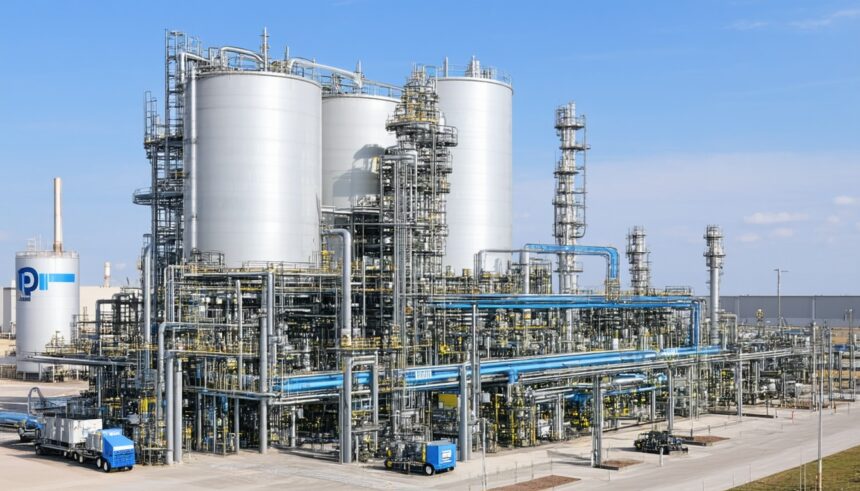
Marathon Petroleum Corporation (NYSE: MPC) stands as one of the leading refiners and petroleum product marketers in the United States. In recent years, the company’s stock price has experienced notable fluctuations, reflecting a confluence of industry fundamentals, economic cycles, and strategic moves by management. For investors and analysts alike, understanding the forces shaping Marathon Petroleum's share value requires a close look at both macroeconomic drivers and company-specific developments.
The energy sector historically demonstrates strong sensitivity to global oil prices, refining margins, and geopolitical events. Marathon Petroleum, with its nationwide refining and logistics network, often mirrors this broader energy narrative. Over the past year, MPC stock has seen periods of robust growth interspersed with profit-taking and market rotations, as uncertain demand projections and evolving fuel policies impact investor sentiment.
Key Factors Influencing Marathon Petroleum Stock Price
The Role of Crude Oil Prices and Refining Margins
Crude oil prices are a foundational driver for integrated energy companies. For Marathon Petroleum, which operates primarily downstream, changes in crude prices directly impact input costs while the company’s profitability hinges on its refining margins—the differential between input costs and the sale price of finished products such as gasoline and diesel.
During periods of widening crack spreads (a common metric for refining margins), MPC and its peers often realize stronger earnings. The past few quarters have favored refiners like Marathon, as post-pandemic demand for transportation fuels has remained high while supply-side constraints persist in certain regions. However, volatility in crude benchmarks—triggered by OPEC+ decisions or unexpected geopolitical developments—can rapidly alter the earnings outlook.
Company-Specific Performance and Strategic Initiatives
Marathon Petroleum’s financial results, capital allocation decisions, and strategic initiatives are critical to its share valuation. Investors closely monitor earnings reports for trends in revenue growth, capital expenditures, and free cash flow generation. In recent years, Marathon has undertaken bold moves such as the sale of its Speedway convenience store chain for approximately $21 billion—a transaction that bolstered the balance sheet and enabled increased share repurchases and debt reduction.
As energy transition pressures mount, Marathon’s approach to renewable fuels and lower-carbon initiatives has become a material consideration for long-term investors. Project announcements related to renewable diesel or carbon capture partnerships often influence short-term trading patterns, as the market prices in potential future revenue streams and regulatory compliance benefits.
"For downstream operators like Marathon Petroleum, capital discipline and adaptability to shifting fuel standards are the core differentiators in maintaining shareholder value through commodity cycles," notes Dr. James Ashton, an energy sector analyst.
Macro Factors: Economic Cycles and Policy Developments
Beyond company-specific factors, broader economic trends—such as inflation, GDP growth, and shifts in transportation demand—play a significant role. The Federal Reserve’s interest rate policy, for example, can impact fuel demand by influencing economic activity. Meanwhile, government policies around fuel efficiency standards, emissions regulations, and energy infrastructure all shape the long-term backdrop for companies operating in the refining sector.
Marathon Petroleum’s Recent Share Performance: By the Numbers
Examining MPC’s stock price trajectory unveils a narrative shaped by resilience and strategic repositioning. After the sharp pandemic-related downturn of 2020, Marathon Petroleum staged a powerful recovery, with its share price rebounding as mobility trends improved and refined products demand surged.
Throughout 2023 and into 2024, MPC stock generally outpaced several energy sector benchmarks, benefiting from strong cash flows and continued capital returns to shareholders. The company’s quarterly dividends and share buyback programs have supported an investor-friendly capital allocation narrative, appealing to both income and growth-oriented market participants.
On earnings calls, Marathon’s management frequently highlights the operational excellence of its refining system, disciplined cost management, and proactive adaptation to supply-demand dynamics across U.S. markets. Analysts often cite these factors when setting price targets or adjusting their outlooks in response to changing market conditions.
Analyst Perspectives: Valuation and Investor Sentiment
Investment banks and equity research firms provide a range of valuations for MPC, but a recurring theme is the company's leverage to robust refining market fundamentals. While near-term volatility remains a given—due to uncertain energy prices and macro headwinds—Marathon’s balanced financial profile and operational scale are seen as competitive advantages.
Several analysts have pointed out potential catalysts for further upside, including:
- Continued share repurchases and rising dividends
- Successful execution of energy transition strategies
- Potential accretive acquisitions or partnerships
- Expansion in renewable diesel or other low-carbon segments
However, risks are also well acknowledged—such as regulatory overhangs, environmental liabilities, and the cyclical nature of refining margins.
Importantly, institutional ownership in MPC remains strong, underscoring the company’s reputation among professional investors seeking exposure to U.S. refining with a disciplined management ethos.
Competitive Landscape and Sector Comparisons
Marathon Petroleum operates alongside a handful of major U.S. independent refiners—such as Valero Energy, Phillips 66, and HollyFrontier. Within this peer group, Marathon’s scale, integration, and market reach are often cited as key strengths. The company’s logistics and midstream assets provide additional leverage during periods of regional supply/demand dislocations.
When compared to broader energy sector metrics, MPC’s share price performance in recent quarters has generally reflected the resilience of the U.S. refined products market and the willingness of management to return capital to shareholders. Nevertheless, investors should remain mindful that sector rotations and shifts in global energy policy can have outsize impacts on short-term valuations.
Looking Ahead: What Could Drive MPC’s Stock Price?
The trajectory of Marathon Petroleum’s share price over the next several quarters will likely hinge on a combination of:
- Global oil supply/demand balances
- U.S. fuel consumption and travel patterns
- Regulatory developments in emissions and renewable fuels
- Effectiveness of Marathon’s investment in green and transitional technologies
As investors weigh these uncertainties, many are adopting a “wait and see” approach—balancing an appreciation for recent strong financial returns with caution about the long-term transition facing traditional fossil fuel businesses.
Conclusion: Navigating Opportunity and Uncertainty in MPC Shares
Marathon Petroleum’s stock price exemplifies the complex dynamics at play within the energy sector. While recent performance has underscored the company’s operational resilience and strategic acumen, ongoing volatility in commodity markets and policy environments demands informed vigilance from investors.
Ultimately, the stock’s direction will be shaped by the interplay of near-term earnings trends and the company’s agility in adapting to an evolving energy landscape. For those considering exposure to Marathon Petroleum, careful monitoring of refining margins, policy shifts, and capital allocation decisions is essential.
FAQs
What are the biggest factors influencing Marathon Petroleum’s stock price?
The key drivers include crude oil prices, refining margins, company earnings, and major strategic decisions. Broader economic trends and regulatory policies also significantly shape the stock’s performance.
How does Marathon’s dividend policy impact its share value?
A consistent dividend and share buyback strategy often signals financial health and management confidence, which can provide stability and enhance investor appeal in fluctuating markets.
What role do renewable fuels play in MPC’s valuation?
Investments and announcements in renewable diesel and lower-carbon initiatives increasingly affect investor sentiment and can open new revenue streams, positioning the company for potential future growth.
Is MPC more volatile than other energy stocks?
Refiners like Marathon Petroleum can experience higher volatility due to shifting crack spreads, regulatory changes, and swings in transportation fuel demand, although its scale offers some stability compared to smaller peers.
How can geopolitical events affect Marathon Petroleum’s stock?
Global events that disrupt oil supply or impact energy regulations—such as conflicts or sanctions—can swiftly influence MPC’s input costs, refined product demand, and ultimately its share price.
What should investors watch for in upcoming quarters?
Key items include Marathon’s quarterly earnings, updates on capital allocation plans, new renewable projects, and broader macroeconomic indicators that may affect fuel demand and industry profits.


Professional author and subject matter expert with formal training in journalism and digital content creation. Published work spans multiple authoritative platforms. Focuses on evidence-based writing with proper attribution and fact-checking.
