




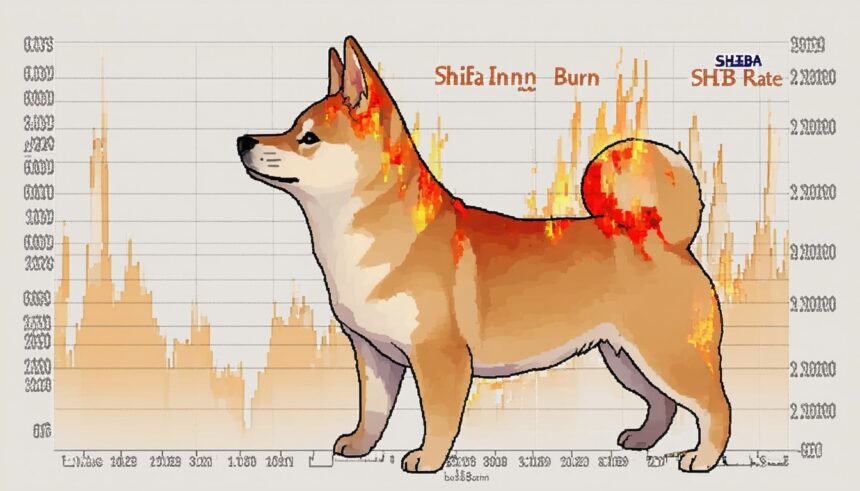
Shiba Inu (SHIB) stands as one of the most recognizable meme coins in the cryptocurrency space, drawing both retail enthusiasm and media attention. As its ecosystem matures, the concept of token burning—a deliberate process of reducing coin supply—has taken center stage for investors and developers seeking long-term sustainability. The "burn rate" of Shiba Inu is now a closely monitored figure, shaping narratives around price speculation, investor confidence, and overall tokenomics.
Understanding the Shiba Inu Burn Rate
Token burning in cryptocurrency refers to the permanent removal of coins from circulation, typically by sending them to a verifiably unspendable wallet address. For SHIB, this effort is designed to address supply inflation, counteract sell pressure, and provide an ongoing incentive for community participation.
How Shiba Inu Burn Mechanisms Work
Shiba Inu’s burn strategy has evolved significantly since its launch:
- Community-Driven Burns: Early on, SHIB burns were largely the domain of the community, with volunteers and third-party projects spearheading high-profile destruction events.
- Automated Protocols: As the ecosystem developed, automated burn mechanisms began taking shape. ShibaSwap, the decentralized exchange associated with Shiba Inu, now integrates burn features tied to transaction volume.
- Ecosystem Integration: Projects built on Shibarium, the layer-2 blockchain, increasingly allocate portions of their revenue to regular SHIB burns.
This multipronged approach is reflected in the burn rate’s volatility, with some weeks seeing surges tied to marketing pushes, NFT releases, or new DApps.
Data Trends and Notable Burn Events
Tracking aggregated data demonstrates both the scale and unpredictability of SHIB burns:
- Surge Events: Large one-time burns often coincide with exchange collaborations or community movements. For instance, the “Shibburn” portal has logged occasional days where billions of tokens are removed in a single transaction.
- Sustained Activity: Recent months have seen a steady burn rate in the hundreds of millions of SHIB per day, with occasional spikes based on new partnerships or ecosystem announcements.
"Shiba Inu’s burn rate is not just a technical metric—it’s a signal of the project’s ability to galvanize community energy toward deflationary tokenomics," notes blockchain analyst Fiona Wu.
The Impact of SHIB Burn Rate on Supply and Value
Supply Dynamics and Deflationary Pressure
Shiba Inu entered the market with an initial total supply of one quadrillion tokens—a figure that dwarfed most other cryptocurrencies. Despite ongoing burns, the overall circulating supply remains vast, but each reduction exerts incremental deflationary pressure.
Reductions to the circulating supply are viewed by many as a potential counterweight to downward price momentum. In theory, a shrinking supply—if met with constant or increasing demand—could support higher per-token prices over time. However, market realities remain complex.
Price Action and Investor Perceptions
While direct causation between burn events and price spikes is rarely straightforward, the SHIB community often responds in kind. Notable burns can create excitement, resulting in short-lived trading upticks. In the long run, the cumulative effect of token reductions is intended to undergird a healthier price floor.
Real-world data illustrates that following high-profile burns, SHIB has experienced double-digit daily percentage gains. However, these effects tend to be temporary unless sustained by broader adoption or organic demand.
- Speculative Interest: Burn announcements frequently dominate social and mainstream crypto headlines, spurring investor attention and, at times, heightened volatility.
- Long-Term Holders: Some investors now incorporate burn rates into their holding strategy, interpreting a consistent burn rate as a vote of confidence in SHIB’s evolving tokenomics.
Ecosystem Implications: Shibarium and Burn Utility
Shibarium’s Role in Accelerating Burns
The launch of Shibarium, Shiba Inu’s proprietary layer-2 network, brought with it a surge of new utility and a raft of projects utilizing SHIB. Shibarium’s transaction fees are partially burned, providing a sustainable, algorithmic burn pipeline that scales with network usage.
This innovation has linked SHIB’s velocity and adoption more directly to supply reduction, further aligning the interests of holders, developers, and ecosystem projects.
Community and Developer Initiatives
Beyond automated mechanisms, the SHIB community continues to drive creative burn events:
- NFT and Merchandise Sales: Integrated “burn taxes” fund token removal, deepening the sense of shared mission among supporters.
- DEX and Protocol Burns: Partners regularly earmark portions of swap or staking fees for SHIB burning, boosting both project marketing and the broader token economy.
"SHIB’s burn protocol has become part of its cultural identity, with every transaction, merchandise sale, or meme campaign a chance to make a lasting impact on supply," says Ed Reyes, a contributor to the SHIB Marketing team.
Key Challenges and the Road Ahead
Burn Rate Limitations
Despite ongoing progress, critics point out that at current rates, the reduction of SHIB’s circulating supply is incremental relative to its original abundance. The path to meaningful deflation will require not just regular burns, but exponential increases in network activity and utility.
Sustainable Ecosystem Growth
For the burn mechanism to achieve its intended effects, it must operate within a thriving, growing ecosystem. Without expanding use cases—such as payments, DeFi integrations, or cross-chain adoption—burns alone are unlikely to permanently move the price needle.
Burning remains an essential tokenomics lever, but its ultimate success will hinge on wider crypto industry trends and Shiba Inu’s ability to deliver tangible user and developer value over time.
Conclusion
The Shiba Inu burn rate is more than a technical detail—it’s a window into the community’s aspirations and a tool for shaping tokenomics. While key burn events may drive short-term price excitement, the strategy’s true impact will be cumulative and dependent on adoption, utility, and ongoing participation from both developers and holders. As SHIB’s ecosystem continues to grow—with Shibarium as a major catalyst—the burn rate will remain central to debates around scarcity, value, and the project’s long-term legitimacy.
FAQs
What is the purpose of burning Shiba Inu tokens?
Burning SHIB tokens helps reduce the circulating supply, which in theory could support higher token value and incentivize long-term holding by creating deflationary pressure.
How often are Shiba Inu tokens burned?
Token burns occur both regularly through automated mechanisms tied to ecosystem usage and during special, community-driven events. The frequency can vary based on network activity and coordinated campaigns.
Does the burn rate directly affect the SHIB price?
While burns can generate short-term excitement and trading activity, lasting price increases depend on broader adoption, demand, and overall market trends, rather than burns alone.
What is Shibarium’s role in SHIB burns?
Shibarium is a layer-2 network whose transaction fees are partly burned, ensuring that network growth naturally results in more SHIB being removed from circulation.
Are SHIB burns enough to make it a scarce asset?
Given SHIB’s vast initial supply, burns alone face a significant challenge. Creating meaningful scarcity will require both high burn rates and increased utility or demand within the broader crypto market.
How can holders participate in SHIB burning?
Community members can take part by supporting burn-related sales, using DApps with burn functions, or participating in volunteer-led burn campaigns and initiatives.


Professional author and subject matter expert with formal training in journalism and digital content creation. Published work spans multiple authoritative platforms. Focuses on evidence-based writing with proper attribution and fact-checking.
