






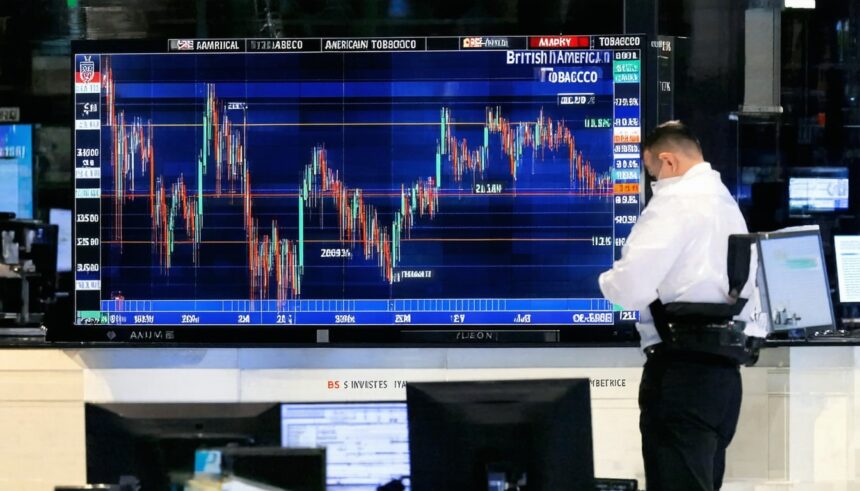
Investing in tobacco stocks has long been a topic that draws both keen interest and ethical debate. Among the industry giants, British American Tobacco (BAT) stands as a major global player with a footprint on nearly every continent and a broad product portfolio spanning traditional combustible cigarettes to newer, reduced-risk nicotine alternatives. For investors, BAT’s stock—often tracked under the tickers BTI (NYSE) and BATS (LSE)—presents a fascinating intersection of high-yield dividends, regulatory risk, and the ongoing transformation of the tobacco sector.
BAT’s Position in the Global Tobacco Market
Founded over a century ago, British American Tobacco is now one of the largest tobacco companies worldwide, often competing for market share with Philip Morris International and Imperial Brands. The company’s iconic brands, such as Dunhill, Lucky Strike, and Pall Mall, maintain enduring consumer recognition. Over recent years, BAT has also staked substantial claims in next-generation products—vaping, heated tobacco, and nicotine pouches—with leaders such as Vuse and glo.
BAT’s global reach enables it to weather regional regulatory battles better than more geographically concentrated rivals. In 2023, BAT reported revenues in the tens of billions of pounds, drawing a significant share from emerging markets where growth opportunities remain, even as cigarette volume declines in more regulated Western countries.
Recent Price Performance and Dividend Yield
BAT’s stock has historically appealed to income-focused investors thanks to its robust dividend policy. Despite industry headwinds—ranging from tighter advertising restrictions to aggressive taxation—the company has typically delivered above-average yields. As of mid-2024, BAT’s dividend yield remains among the highest in the FTSE 100 and the S&P Global 1200 Consumer Staples index.
Nevertheless, its share price performance has been mixed over the past few years. Broad shifts away from tobacco in developed markets and heightened regulatory scrutiny caused periods of volatility. Despite these pressures, BAT’s commitment to shareholder returns and its diversification into alternative nicotine products have helped support its valuation.
“British American Tobacco offers a classic case of risk-and-reward in an evolving sector: robust cash flows enable generous dividends, but regulatory, legal, and societal pressures demand constant adaptation,” notes Amanda Liu, equity analyst at a leading global brokerage.
For investors willing to tolerate sector-specific risks, BAT stock’s current valuation often appears attractive relative to its historical averages and industry peers.
Key Trends Affecting British American Tobacco Stock
Regulatory Landscape and Its Impact
Perhaps no factor weighs more heavily on tobacco equities than policy risk. BAT faces an intricate global patchwork of cigarette taxes, flavor bans, marketing limitations, and, in some jurisdictions, outright product prohibitions. For example, recent U.S. and UK discussions about raising the legal age for purchase and further curtailing menthol sales have directly influenced BAT’s forward guidance.
Despite this, BAT’s scale gives it resilience. Larger companies can afford legal battles, invest in compliance, and shift focus towards less-regulated markets or products when necessary.
Transition to Reduced-Risk Products
BAT understands the necessity of evolving in a world increasingly hostile to cigarettes. Its strategy rests on a “multi-category” approach, balancing the cash cow of traditional tobacco with high investment in vaping (Vuse), heated tobacco (glo), and oral nicotine (VELO). In 2023, non-combustible products accounted for a growing portion of new revenues, and the company targets substantial increases in this line by 2025.
This pivot is seen as critical—not only to satisfy regulators and public health advocates but also to assure long-term financial sustainability as smoking rates decline.
Financial Performance and Balance Sheet Strength
BAT consistently generates strong free cash flows. This financial strength supports its dividend, funds M&A activity such as the Reynolds American acquisition, and enables ongoing investment in innovation and harm reduction. Standard & Poor’s and Moody’s continue to rate BAT’s debt as investment grade, emphasizing stable outlooks despite sector-specific volatility.
Comparative Analysis: BAT Versus Other Tobacco Majors
When sizing up British American Tobacco stock against sector peers, certain distinctions emerge:
- Dividend Reliability: BAT tends to offer the highest or near-highest yields among global tobacco majors.
- Debt Levels: While the 2017 Reynolds acquisition significantly increased leverage, ongoing deleveraging efforts have kept ratios within a reasonable range for large consumer product firms.
- Market Diversification: BAT’s emerging market presence is a relative advantage in offsetting mature market declines, compared to some peers more concentrated in North America or the European Union.
- Next-Gen Products: Unlike some rivals with single-category bets, BAT’s commitment to a multi-pronged approach (vape, heated, oral) potentially offers more resilience.
However, concerns persist regarding persistent litigation risks, especially in the United States, and the pace of cannibalization between traditional and alternative nicotine products.
Analyst Opinions and 2024–2025 Stock Outlook
Major global brokerages remain divided on BAT. Some highlight its compelling valuation and yield, with target prices reflecting upside potential if regulatory outlooks stabilize and the new product segment accelerates. Others caution that even with successful reduced-risk product launches, revenue declines in combustibles could outpace replacement in the near term.
Consensus, however, is that BAT will remain a cash-generating business for the foreseeable future, albeit with lingering headline risk.
Forecast Scenarios
Base Case
BAT continues growing next-generation product revenues while maintaining a disciplined approach to cost management. Dividends remain steady, offering yields attractive to income investors, with modest share price appreciation if sentiment around regulatory risks improves.
Bear Case
Aggressive regulatory moves curtail menthol sales or further restrict alternative nicotine offerings in key markets. This scenario could pressure both revenue and profit margins, potentially forcing BAT to reevaluate its dividend and buyback programs.
Bull Case
Strong consumer uptake of non-combustible products, coupled with stabilization in regulatory environments, would underpin a multiple re-rating for BAT shares. This outcome would reward long-term holders with both capital gains and robust income.
Real-World Case Study: BAT’s Expansion in Reduced-Risk Products
One of the most telling examples of BAT’s evolving strategy is its success in the U.S. vaping market with the Vuse brand. Despite facing stiff competition from companies like Juul and Altria’s NJOY, BAT has garnered significant market share thanks to aggressive distribution and advanced product design. In several global markets, Vuse has claimed a leading position, signaling BAT’s seriousness about the non-combustible transformation.
Furthermore, BAT’s investments in science-based product testing have helped the company engage more constructively with regulators, paving the way for potential marketing authorizations that could extend its commercial runway.
Conclusion: Key Takeaways for Potential Investors
British American Tobacco stock offers a complex yet potentially rewarding opportunity for investors. Its high-yield dividend, strategic push into reduced-risk products, and resilient global footprint create appealing fundamentals for those comfortable with sector-specific risks. However, the company’s future will be shaped by its ability to adapt to ever-changing regulatory regimes and maintain relevance with shifting consumer preferences. As always, a balanced assessment of both the opportunities and inherent challenges is crucial before making any investment decisions.
FAQs
Is British American Tobacco stock a good dividend investment?
BAT is known for its consistently high dividend yield, often outpacing many peers in the consumer staples sector. However, dividend sustainability depends in part on regulatory and market trends, so monitoring company guidance is recommended.
What are the main risks facing BAT stock?
Principal risks include shifting regulations (like flavor bans or plain packaging), declining cigarette consumption in developed countries, and ongoing litigation related to tobacco and product safety. The company works to mitigate these with new product development and global diversification.
How is BAT transitioning away from cigarettes?
BAT is heavily investing in reduced-risk products such as vaping devices, heated tobacco, and nicotine pouches. These businesses are central to its long-term strategy as cigarette consumption falls.
How does BAT compare to other tobacco companies?
BAT offers some of the highest yields and has a diversified geographic presence. Its multi-category reduced-risk product approach sets it apart from peers focusing on narrower alternatives.
Why has BAT’s stock price been volatile?
Fluctuations often reflect investor reactions to regulatory news, litigation outcomes, changes in dividend policy, and shifting consumer trends across BAT’s markets.
Does BAT face ethical investing concerns?
Many socially responsible investment funds exclude tobacco stocks due to health risks and ethical concerns. Individual investors should consider their personal investment criteria regarding ESG issues.


Professional author and subject matter expert with formal training in journalism and digital content creation. Published work spans multiple authoritative platforms. Focuses on evidence-based writing with proper attribution and fact-checking.
