






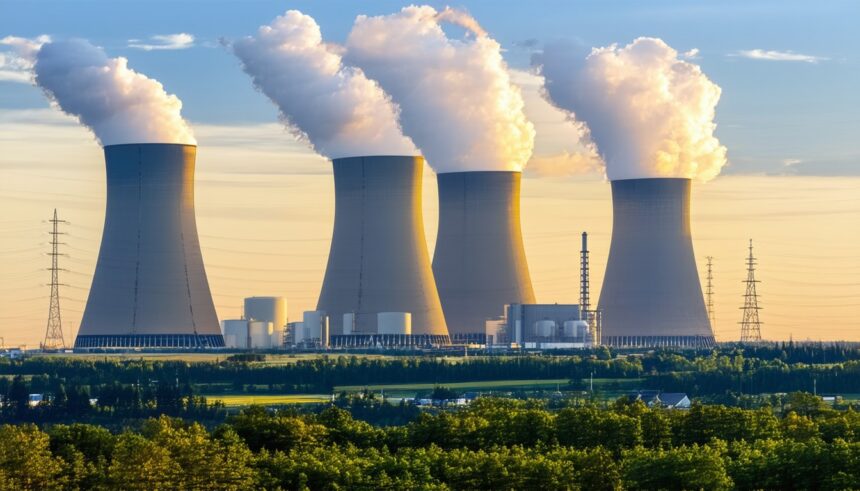
Global discourse around energy security, climate change, and decarbonization has revitalized interest in nuclear power. Widely recognized for its low-carbon footprint and reliability, nuclear energy has re-entered the spotlight as economies seek alternatives to fossil fuels. With technological breakthroughs such as advanced reactors and small modular reactors on the horizon, the nuclear industry is poised for a renaissance that could reshape global energy strategies—and stock portfolios. For investors searching for robust long-term growth with an ESG (Environmental, Social, Governance) edge, the best nuclear energy stocks offer unique potential.
Why Nuclear Energy Is Back In Focus
Energy Transition and Policy Support
The movement toward clean energy is intensifying. Many countries, particularly in Europe and Asia, are pledging emissions reductions, while the U.S. government is increasing incentives for clean power infrastructure. Nuclear energy’s ability to provide continuous, carbon-free electricity has driven renewed policy backing. The International Energy Agency (IEA) projects that nuclear capacity must double by 2050 to meet net-zero climate goals, signifying tangible momentum in the sector.
Reliability In an Intermittent World
Unlike solar or wind, nuclear plants operate nearly 24/7. This baseload reliability is crucial as electric vehicle adoption, data center growth, and industrial electrification ramp up global energy demand. During the energy crisis of 2021-22, countries like France and South Korea leaned heavily on nuclear plants to buffer volatile fossil fuel markets, highlighting the strategic value of nuclear assets.
"In the broader energy mix, nuclear’s firm capacity remains a linchpin for grid stability—especially as renewables fluctuate with weather and time of day," notes Dr. Samantha Park, energy transition analyst at New Horizons Research.
Technological Innovations
The buzz around next-generation designs, such as small modular reactors (SMRs) and advanced fast reactors, is more than hype. Startups and established firms alike are making progress on breakthroughs that promise greater safety, reduced construction timelines, and lower waste production. Collaborative efforts—like Bill Gates–backed TerraPower—are drawing private and public capital into the sector, intensifying innovation.
Key Factors to Consider When Investing in Nuclear Stocks
Before diving into individual stocks, it’s essential to recognize what drives success in the nuclear sector:
- Regulatory Environment: Nuclear projects face long lead times and significant oversight. Companies adept at navigating regulatory landscapes typically see fewer costly delays.
- Geographic Exposure: Exposure to markets with strong policy support yields better growth prospects.
- Diversification: Firms involved across the value chain—from uranium mining and fuel cycle service to engineering and power generation—offer varying risk/reward profiles.
- Balance Sheets: Nuclear projects require hefty upfront investment; financially healthy companies are better positioned to weather industry cycles.
- ESG Scores: As global funds increasingly screen for ESG, stocks with transparent sustainability practices may command a premium.
Best Nuclear Energy Stocks for Strong Portfolio Growth
A blend of pure-play operators and diversified energy giants dominate the landscape. Below are several publicly traded companies leading the sector, each representing distinct strategies within the industry.
NextEra Energy, Inc. (NYSE: NEE)
NextEra stands at the intersection of nuclear and renewables. The company operates one of the largest nuclear fleets in the U.S. while being the world’s top producer of wind and solar energy. Its scale, stable regulated utility business, and commitment to decarbonization provide resilient cash flow. Over the last decade, NextEra’s total shareholder return has outperformed many traditional utilities. As the energy mix evolves, NextEra’s dual-pronged approach offers balanced growth and downside protection.
Constellation Energy Corporation (NASDAQ: CEG)
Formed after its spin-off from Exelon (2022), Constellation now owns the largest nuclear fleet in America—including 19 reactors. Most of its electricity generation is emissions-free, resonating with institutional investors seeking green energy exposure. The company is also investing in hydrogen pilot projects and low-carbon R&D, positioning itself as a front-runner in the next phase of the energy transition.
Cameco Corporation (NYSE: CCJ, TSX: CCO)
Cameco is among the world's largest uranium producers, supplying fuel for reactors globally. With uranium prices rebounding from a multi-year slump and several major mines reopening, Cameco’s earnings profile has strengthened considerably. Its long-term contracts with utilities and operational flexibility provide downside protection—making it a classic pick-and-shovel play on global nuclear energy expansion.
Brookfield Renewable Partners (NYSE: BEP)
Though best known for its hydroelectric and wind assets, Brookfield also has substantial investments in nuclear generation. The company’s acquisition of Westinghouse Electric—one of the world’s foremost nuclear technology providers—extends its reach into plant services, fuel solutions, and reactor development. This vertical integration uniquely positions Brookfield to benefit from the full resurgence of nuclear energy.
Other Notable Players
- Southern Company (NYSE: SO): Operates Vogtle, the first newly built U.S. nuclear plant in decades.
- Framatome and Orano (private and state-backed): Key European nuclear technology and fuel cycle suppliers with global footprints.
- Rolls-Royce (LSE: RR): Developing small modular reactors and signed early deployment contracts with the UK government.
Beyond these, many exchange-traded funds (ETFs) such as Global X Uranium ETF (URA) and VanEck Uranium+Nuclear Energy ETF (NLR) provide diversified exposure for risk-conscious investors.
Risks and Considerations in the Nuclear Sector
Regulatory and Political Risks
Despite growing support, nuclear projects can be derailed by political shifts, safety incidents, or public opposition. Policy reversals—in markets like Germany—underscore the importance of geographic and regulatory diversification.
High Upfront Costs and Delays
Large-scale nuclear developments frequently run over budget and behind schedule. The Vogtle expansion in Georgia, for instance, faced years of delays and multibillion-dollar overruns. Investors must evaluate a company’s project management track record and contract structures.
Commodity Price Volatility
While uranium’s recent uptick has benefited miners like Cameco, prices remain susceptible to changes in supply, geopolitical tensions, and stockpiling trends. Diversification across the value chain can buffer some of this volatility.
Waste Management and ESG Scrutiny
Despite being carbon-free at the point of generation, nuclear energy faces criticism around waste disposal and legacy environmental impacts. Companies investing in high-integrity waste solutions, recycling technologies, and transparency may outpace the sector in ESG-conscious portfolios.
The Outlook: How to Approach Nuclear Energy Stocks
Investing in nuclear energy stocks requires an appreciation for long-term cycles, regulation-heavy environments, and technological evolution. Pure-play options, such as uranium miners, offer direct leverage to nuclear demand, but also come with higher commodity volatility. On the other hand, diversified utilities and technology providers can deliver more stable returns while still capitalizing on nuclear’s renaissance.
The sector’s upward trajectory aligns with macro themes—clean energy, energy security, data-driven infrastructure growth—that are likely to persist. For investors, blending sector leaders, value-chain specialists, and funds provides a balanced approach to an industry on the cusp of transformation.
Conclusion
Nuclear energy holds a pivotal place in the global energy transition, offering a rare combination of dependability, scalability, and low-carbon credentials. The best nuclear energy stocks stand to benefit from supportive policy trends, technological advances, and growing institutional interest in clean baseload power. As with any sector, investors should weigh project execution risk, regulatory environments, and company balance sheets. With astute selection and a long-term horizon, nuclear equities could be a powerful engine for portfolio growth in the decades ahead.
FAQs
What are the main types of nuclear energy stocks to consider?
Investors typically choose among utilities operating nuclear plants, uranium miners, nuclear technology suppliers, and ETFs offering diversified sector exposure. Each type presents unique risk-reward dynamics and responds differently to changes in energy policy and market cycles.
Why has nuclear energy gained renewed investor interest?
Rising demand for carbon-free electricity, geopolitical concerns about energy security, and advancements in reactor technology have all renewed focus on nuclear power as an essential pillar of the energy transition.
Are nuclear energy stocks risky?
Like all sectors, nuclear energy stocks carry risks. Regulatory hurdles, high capital costs, project delays, and shifting political priorities can impact performance. However, leading companies with diversified operations tend to manage these risks more effectively.
How can investors monitor the outlook for nuclear energy stocks?
Following government energy policies, uranium spot prices, advances in reactor technologies, and global investments in new plant construction can provide signals about the direction of the nuclear energy sector.
Do nuclear energy stocks align with ESG investing?
Nuclear power is low-carbon and supports climate goals, but concerns over waste management and safety persist in some ESG frameworks. Companies that demonstrate proactive sustainability and transparent practices often score better with ESG-minded investors.


Certified content specialist with 8+ years of experience in digital media and journalism. Holds a degree in Communications and regularly contributes fact-checked, well-researched articles. Committed to accuracy, transparency, and ethical content creation.
