






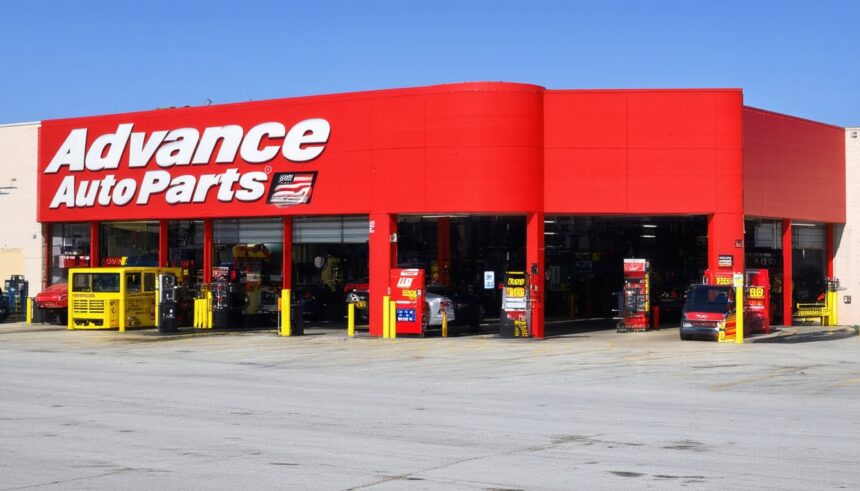
Advance Auto Parts (NYSE: AAP) stands as one of the most recognized names in the automotive aftermarket retail sector, operating thousands of stores across North America. For investors and analysts, Advance Auto Parts stock has long represented more than just an opportunity to capitalize on car part sales—it’s a window into consumer auto trends, supply chain resilience, and broader economic cycles. As vehicles on the road continue to age and consumers focus on maintaining rather than replacing their cars, the performance of companies like AAP becomes an insightful barometer for both the retail and automotive industries.
Yet, trading and investing in Advance Auto Parts stock isn’t without complexity. Over recent years, the company’s share price movements have reflected a dynamic interplay of operational shifts, industry headwinds, and broader market sentiment. To make sense of the stock’s current valuation, prospects, and risks, a thorough analysis is essential.
Advance Auto Parts Stock Price Trends
Historical Performance and Market Context
Historically, Advance Auto Parts stock has displayed volatility that echoes broader trends in the automotive and retail sectors. The company's growth phase in the early 2000s saw the stock climb as it expanded its retail footprint, acquired competitors, and benefited from increased demand for replacement parts. However, more recent years have brought challenges, including intensified competition from both traditional rivals like AutoZone and O’Reilly Automotive, and the growing footprint of online retailers such as Amazon.
A closer look at the trailing five years reveals a stock that has ranged from solid highs to substantial lows. The COVID-19 pandemic and ongoing supply chain disruptions have weighed heavily on the sector. At the same time, pent-up demand and stimulus-fueled consumer spending provided periods of uptick. As of the last twelve months, industry watchers have noted that AAP’s share price has lagged some peers, reflecting market concerns about cost management, digital transformation, and margin pressure.
Catalysts Impacting Price Action
Several factors have served as principal drivers for Advance Auto Parts stock volatility:
- Earnings Reports: Quarterly figures often swing price momentum sharply, as investors react to top- and bottom-line surprises or disappointments.
- Macroeconomic Environment: Rising interest rates and concerns over consumer spending have periodically spooked retail stocks, suppressing price growth.
- Competition and Market Share: Moves by Amazon and other digital-first competitors have forced AAP to invest heavily in omnichannel and e-commerce, sometimes at the expense of near-term profitability.
These crosscurrents have made the stock particularly sensitive to both internal operational news and broader economic data.
Performance Analysis: Key Financials and Strategic Moves
Revenue, Margins, and Growth Initiatives
Advance Auto Parts’ latest quarterly filings show growth in same-store sales, with an emphasis on driving traffic through both professional and DIY customer segments. Revenue has typically hovered in the high single-digit billions annually, but cost-of-goods inflation and supply chain snarls have pinched gross margins. Management has responded with programs aimed at inventory efficiency and network optimization, although these efforts require upfront capital and don’t always deliver immediate results.
Meanwhile, the shift to digital remains a strategic focal point. As consumer behavior evolves, AAP is investing in e-commerce infrastructure, online order fulfillment, and BOPIS (buy online, pick up in store). While these investments hold long-term promise, analysts caution they may weigh on operating leverage in the near future.
“The ability to translate digital investments into higher-margin sales and deeper customer engagement will be critical for legacy auto parts retailers aiming to fend off online disruption,” observes Jamie Fraser, an industry supply chain analyst.
Dividend Policy and Capital Allocation
Advance Auto Parts has historically maintained a dividend payout, making it attractive for income-oriented investors. Still, the yield and sustainability of dividends fluctuate with profitability cycles. Periods of margin squeeze or strategic realignment can prompt management to reallocate capital, affecting shareholder returns.
Beyond dividends, the company has also engaged in share buybacks and strategic acquisitions, particularly to enhance its distribution network and product assortment. These moves are double-edged: they can boost EPS (earnings per share), but may also strain balance sheets if not carefully managed.
Industry Headwinds and Competitive Landscape
Navigating Supply Chain and Inflationary Pressures
The auto parts sector has grappled with intense supply chain disruptions, particularly since 2020. From raw material costs to shipping delays, companies like Advance Auto Parts have faced rising input expenses, sporadic inventory shortages, and the challenge of passing costs on to consumers. While some competitors have managed to secure additional supplier contracts or diversify their sourcing, the entire industry remains vulnerable to macro-level shocks.
Competitive Dynamics: Brick-and-Mortar vs. E-commerce
Traditional chains such as AutoZone, NAPA, and O’Reilly Automotive continue to compete on price, availability, and store network density. However, the rise of digital natives and the expansion of Amazon’s automotive marketplace have fundamentally altered consumer expectations for convenience, pricing, and service. In response, AAP has accelerated investments in logistics and last-mile delivery, striving to minimize the “Amazon effect” on both professional and retail customers.
A noteworthy trend is the increasing importance of the professional installer market—in contrast to the historically dominant DIY segment. Advance Auto Parts has made clear strategic efforts to win share in this domain by bolstering its delivery speed and inventory breadth.
Technical Perspective: What the Charts and Analysts Say
Technical Analysis: Recent Patterns and Support Zones
Technically inclined investors look beyond fundamentals to analyze price patterns, trading volumes, and moving averages. Recent chart activity for AAP has highlighted periods of consolidation, with key support and resistance levels emerging around historical trading ranges.
Commonly watched indicators, such as the 50-day and 200-day moving averages, occasionally signal crosses that traders interpret as bullish or bearish turning points. Volume spikes often correspond with news events or earnings, increasing day-trader attention and, at times, exaggerating price swings.
Analyst Sentiment and Target Prices
Sell-side analysts track Advance Auto Parts stock closely, typically publishing target prices and buy/hold/sell recommendations after each earnings release. In general, sentiment has remained cautious, tempered by concerns over cost structure and digital transition, though some analysts see upside potential if AAP can deliver meaningful margin expansion.
“Sustainable share price appreciation for Advance Auto Parts will depend not just on top-line growth, but on credible progress in restoring operating margins and gaining professional market share,” notes David Lin, equity strategist at a leading investment bank.
Risks and Opportunities: Navigating the Road Ahead
Key Risks for Investors
Investing in Advance Auto Parts stock, like any equity in a cyclical retail sector, entails exposure to several risks:
- Prolonged inflation, which may further erode margins.
- Execution risk in digital transformation and supply chain modernization.
- Loss of market share to e-commerce juggernauts.
It is therefore critical that investors monitor quarterly updates and management commentary for signs of progress or slippage in these areas.
Potential Growth Catalysts
On the positive side, specific catalysts could reinvigorate the share price, including:
- Accelerated growth in professional installer sales.
- Successful supply chain cost reductions, restoring margins.
- Industry consolidation leading to improved pricing power.
Conclusion: Weighing Value, Volatility, and Vision
Advance Auto Parts stock captures the challenges and opportunities present in today’s automotive aftermarket industry. Recent performance has underscored the importance of strategic execution—especially around digital investments and operational efficiency. For investors, the stock demands close attention to both external macro trends and the company’s internal strategic milestones. As the sector continues to evolve, the ability to identify sustainable growth levers will separate long-term winners from laggards.
FAQs
What is Advance Auto Parts’ primary business focus?
Advance Auto Parts operates as a leading retailer and distributor of automotive replacement parts and accessories for both professional installers and DIY customers.
How does Advance Auto Parts’ stock compare to competitors like AutoZone and O’Reilly?
While all three operate in similar segments, recent performance trends show Advance Auto Parts lagging slightly behind its major peers, partly due to operational challenges and investment in digital transformation.
Does Advance Auto Parts pay dividends?
Yes, the company has a history of paying dividends, but the yield and payment sustainability can vary based on income and capital allocation needs.
What are some current risks facing Advance Auto Parts stock?
Key risks include inflationary pressure on margins, supply chain disruptions, and heightened competition from e-commerce retailers.
What growth opportunities exist for Advance Auto Parts?
Opportunities lie in expanding professional sales, optimizing supply chains, and leveraging digital strategies to better compete against online-first rivals.
How important is the digital transformation for Advance Auto Parts’ future?
Digital evolution is critical, as more consumers expect seamless online and in-store experiences, and as competition intensifies from e-commerce platforms.


Professional author and subject matter expert with formal training in journalism and digital content creation. Published work spans multiple authoritative platforms. Focuses on evidence-based writing with proper attribution and fact-checking.
