






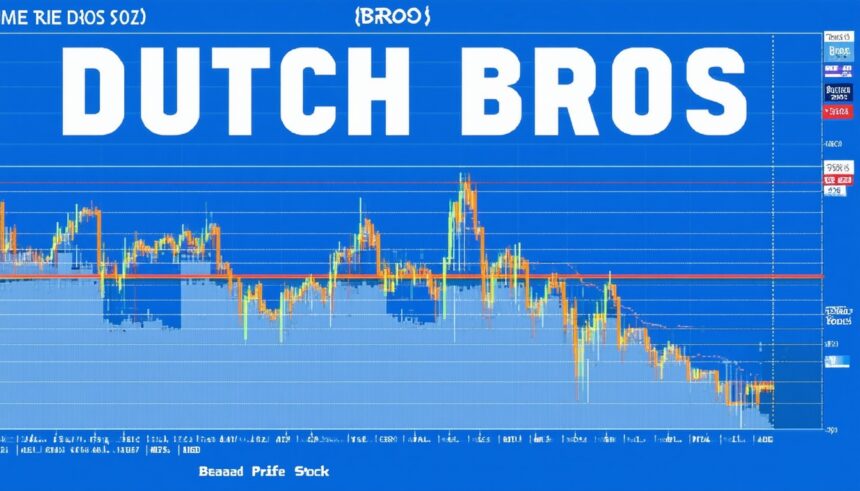
Dutch Bros, Inc. has become a notable player in the publicly traded specialty coffee sector, capturing the interest of both Wall Street and Main Street investors. As the largest privately-held drive-thru coffee chain until 2021, Dutch Bros’ initial public offering (IPO) signaled a new chapter in its growth story. Today, tracking the Dutch Bros stock price offers a real-time lens into both the company’s ambitions and broader market sentiment about fast-growing, youth-targeted beverage brands.
Real-Time Overview: The Dynamics Shaping BROS Share Value
Stocks like Dutch Bros (traded on NYSE under the ticker BROS) attract heightened attention due to their exposure to both consumption trends and evolving retail models. The real-time price of BROS is shaped by a blend of internal performance updates, sector-wide developments, and macroeconomic currents.
Volatility in the Coffee Shop Sector
Unlike legacy brands, emerging players such as Dutch Bros often experience sharper price swings. News of quarterly sales growth, digital ordering innovations, or expansion into new markets can quickly move the stock. For instance, a positive earnings surprise or announcement of new store openings in untapped territories has been known to drive shares higher, reflecting investor enthusiasm for aggressive growth.
Conversely, broader challenges—like rising commodity costs or labor shortages—can trigger corrections. The stock’s sensitivity to changing input costs and consumer sentiment is a hallmark of fast-casual and beverage-focused public companies.
“Investors evaluating Dutch Bros stock must factor in the unique blend of cult brand loyalty and the competitive pressures it faces in a rapidly changing consumer sector,” observes one retail equity analyst.
Post-IPO Performance: A Case Study in Growth Stocks
When Dutch Bros went public in September 2021, its IPO was oversubscribed, and shares surged immediately above the asking price—a reflection of investor appetite for fast-growth consumer brands. The company’s expansion-focused business model, coupled with a younger, highly-engaged customer base, fueled the initial rally.
But since then, the market performance of BROS has mirrored the journey of many new-age restaurant stocks—initial euphoria, periods of correction, and subsequent recalibration in valuations as investors digested both the opportunities and risks inherent in rapid scaling.
Examining Dutch Bros’ Fundamentals: Revenue, Expansion, and Risks
While daily fluctuations in Dutch Bros stock price often grab headlines, long-term investors are equally focused on the underlying business fundamentals. The company’s financial statements and operational updates provide insight into its resilience and prospects.
Revenue and Same-Store Sales
Dutch Bros has reported steady revenue increases year over year, driven by robust same-store sales growth and an aggressive new store pipeline. Unlike more mature coffee giants that must focus on maximizing existing locations, Dutch Bros relies on expanding its footprint, especially in markets where specialty coffee culture is still nascent.
The brand’s approach—drive-thru only locations, a limited but customizable menu, and digital engagement—has served it well. During earnings calls, management often points to higher ticket averages and increased frequency among the coveted under-30 demographic.
Store Growth and Geographic Expansion
Rapid store opening is central to Dutch Bros’ strategy. The company has steadily moved beyond its Pacific Northwest roots, planting flags in states across the Sun Belt and the Midwest. Opening new stores at a rapid clip supports revenue growth but can pressure margins, especially if new locations ramp up more slowly than anticipated.
Assessing the Risks
Beyond expansion, BROS faces familiar headwinds:
- Coffee commodity price fluctuations can erode margins.
- Intense competition from multinational chains (like Starbucks) and local independents.
- Labor availability and minimum wage increases impacting operational costs.
- Economic cycles affecting discretionary spending patterns, especially among younger consumers.
Balancing these risks against the company’s differentiated branding and community-centric ethos is a key ongoing challenge for both management and investors.
Competitive Landscape: Dutch Bros vs. Sector Giants
It is impossible to understand the Dutch Bros stock price in a vacuum. Wall Street frequently compares BROS with Starbucks (SBUX), Dunkin’, and smaller regional players, benchmarking key performance metrics, customer loyalty, and innovation.
Brand Positioning and Loyalty Metrics
Dutch Bros distinguishes itself through its energetic, youthful branding and community-first approach. The company’s customer rewards program and social media presence drive high engagement—an asset that analysts argue can help fend off direct competition.
On the other hand, larger competitors benefit from massive scale, brand ubiquity, and diversified product portfolios. This makes Dutch Bros’ growth both an opportunity and a risk; a stumble in execution can invite immediate comparison to how “the big players” manage similar challenges.
Innovation and Operational Agility
Where Dutch Bros shines is in its testing and rapid iteration of new menu items (energy drinks, cold brews) and creative marketing. Its smaller format stores and drive-thru efficiency offer resilience against shifting consumer behavior—a major asset during pandemic-era disruptions.
Factors Impacting Short-Term and Long-Term Price Movement
Investors watching BROS stock price often pay attention to a handful of major variables.
Earnings Announcements and Guidance
Earnings reports—especially forward guidance—can trigger meaningful price moves. Surprises in revenue growth, margins, or store count often send the stock swinging. Conversely, cautious projection or missed targets tend to result in sharp pullbacks.
Market Sentiment and Analyst Coverage
Dutch Bros has benefited from bullish analyst coverage, especially on its growth trajectory and brand momentum. However, after an initial period of positive surprise, analysts often temper expectations, leading to valuation resets and more conservative investor sentiment—especially during broader market downturns.
“For a company like Dutch Bros, managing Wall Street expectations while executing aggressive expansion is a delicate balancing act,” notes a recent research report.
Broader Economic and Industry Trends
Macro factors—from inflation to shifting coffee crop yields—can affect the entire sector. Supply chain challenges or a consumer spending slowdown can spill over into day-to-day performance and long-term forecasts.
Real-World Scenarios: How News and Trends Move BROS Stock Price
To illustrate the mechanics in action:
- Strong Quarterly Results: Dutch Bros reports double-digit revenue growth, beating analyst consensus. The stock pops in after-hours trading.
- Commodity Surge: Coffee futures prices spike, raising input costs. Investors fret about profit-margin compression, and shares decline.
- Expansion News: Announcement of entry into a new major metro area prompts optimism about the brand’s national potential, boosting the stock temporarily.
- Labor Costs: A new state minimum wage increase is announced in a core Dutch Bros market, putting downward pressure on the stock as analysts recalculate projected operating margins.
Each scenario shows how finely-tuned the stock is not just to its own business, but also to evolving market and economic forces.
Conclusion: Strategic Considerations for Watching Dutch Bros Stock Price
Dutch Bros’ journey from regional upstart to publicly traded national contender is still in its early innings. The real-time stock price reflects both the promise of its popularity and the headwinds common to all fast-growing consumer-facing brands. As BROS continues to open new locations and refine its operating model, short-term volatility should be weighed against longer-term opportunities—not just in coffee, but in the evolution of the modern quick-service experience.
For investors and market watchers, ongoing attention to both execution and broader industry currents will be crucial to gauging the company’s future stock performance.
FAQs
What is the Dutch Bros stock symbol?
Dutch Bros trades on the New York Stock Exchange under the ticker symbol “BROS.”
Where can I see real-time Dutch Bros stock prices?
Real-time Dutch Bros stock prices are available on financial news websites, stock trading platforms, or through the NYSE’s official resources.
How does Dutch Bros’ growth compare to other coffee chains?
Dutch Bros is expanding rapidly, particularly in newer markets, while established brands like Starbucks focus more on international expansion and digital innovation. Dutch Bros’ U.S. growth rate has drawn significant investment attention.
What risks should investors consider with BROS stock?
Key risks include competition from larger chains, commodity price volatility, rising labor costs, and the company’s heavy focus on expansion, which can impact profitability if not managed well.
Does Dutch Bros pay a dividend?
Currently, Dutch Bros does not pay a dividend, preferring to reinvest earnings into new store development and operational growth.
What factors most influence BROS stock’s short-term movement?
Earnings releases, company guidance, expansion updates, analyst ratings, and industry trends like commodity prices or labor market shifts can quickly influence BROS share price.


Credentialed writer with extensive experience in researched-based content and editorial oversight. Known for meticulous fact-checking and citing authoritative sources. Maintains high ethical standards and editorial transparency in all published work.
