






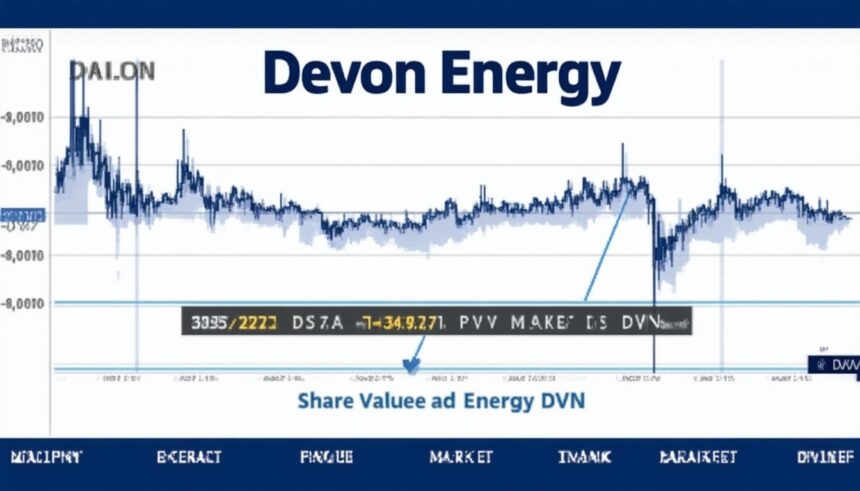
Devon Energy (NYSE: DVN) stands as one of the most influential independent oil and gas producers in North America. Headquartered in Oklahoma City, Devon is a central player in the U.S. shale boom, with robust operations across the Anadarko, Delaware, Powder River, Eagle Ford, and Williston basins. Its stock price performance reflects not only the volatile cycles of global crude oil and natural gas markets, but also the company’s strategic responses to shifting economic and regulatory dynamics.
Understanding Devon Energy’s stock price requires a multifaceted lens—one that considers commodity trends, capital allocation, operational efficiency, and market sentiment. For investors, DVN’s share value is often a bellwether for broader energy sector health, and its shifting price offers insights into both company fundamentals and industry headwinds.
Historical Performance of DVN Shares
Long-Term Price Evolution
Since its IPO in 1988, Devon Energy’s stock has endured both meteoric rises and sharp setbacks. DVN’s golden era tracked with oil price booms, notably in the mid-2000s and during the resurgence of shale production in the 2010s. However, the 2014–2016 oil price crash and the energy sector downturn of 2020 tested the resilience of almost every independent producer, Devon included.
DVN shares, which once traded at premium valuations, were not immune to market correction. The COVID-19 pandemic in early 2020, in particular, saw Devon’s market cap contract as oil demand plummeted worldwide. But with the global economic reopening and a renewed emphasis on U.S. energy independence, DVN rebounded on the back of improved efficiency, strategic mergers (notably with WPX Energy), and strong free cash flow generation.
Dividend Policy and Buybacks
One distinguishing feature of Devon’s post-2020 strategy is its innovative “fixed plus variable” dividend policy. This payout structure ties variable dividends to upstream cash flows, providing shareholders with enhanced returns during periods of high commodity prices. Consistent share repurchases further support the stock, particularly in bullish cycles.
Key Factors Influencing Devon Energy Stock Price
Commodity Prices and Market Volatility
DVN’s share value remains tightly tethered to the global prices of crude oil and natural gas. As energy prices rally—often on the heels of supply disruptions, geopolitical events, or stronger demand—the stock tends to benefit. Conversely, prolonged low commodity prices prompt investor caution.
This dynamic was evident in 2022, when oil prices surged amid geopolitical uncertainty, propelling DVN’s stock into the spotlight. On the flip side, concerns about economic slowdowns or oversupply (such as from OPEC+ production decisions) can contribute to sharp, sometimes sudden, corrections.
Operational Efficiencies and Cost Discipline
Post-2016, Devon has pursued leaner operations, prioritizing cost reductions, technology integration, and disciplined capital allocation. Its ability to consistently lower break-even prices has made DVN more resilient to commodity price cycles.
“Devon Energy’s operational discipline positions it to weather low price environments better than many peers, with robust cash flows even when crude dips,” notes Dan Pickering, a veteran energy sector analyst.
Strategic Mergers, Acquisitions, and Asset Sales
Devon’s 2021 merger with WPX Energy created a new industry heavyweight, amplifying scale and improving the balance sheet. Strategic divestitures—such as selling non-core assets—have also unlocked capital, which has been redirected toward higher-margin projects and shareholder returns.
ESG Considerations and Regulatory Pressures
Heightened scrutiny of environmental, social, and governance (ESG) measures means that companies like Devon are judged not only on profitability but also on sustainability metrics. Devon has announced emissions-reduction targets and investments in cleaner production processes, seeking to win favor with both institutional investors and regulators.
Still, policy swings—ranging from drilling bans on federal lands to evolving methane regulations—can inject uncertainty and impact share price trajectories.
Recent Trends and Technical Analysis
Technical Patterns and Price Levels
Technical analysis reveals that DVN’s share price behavior frequently aligns with broader sectoral trends and technical signals. Key support and resistance levels are keenly watched by both institutional and retail investors, especially as the stock approaches certain moving averages or volume-triggered breakpoints.
• Relative Strength Index (RSI): A measure of momentum; periods of overbought conditions often precede short-term corrections.
• Volume Trends: Surges in trading volume can signal institutional accumulation or distribution, often forecasting near-term price action.
• Dividend Announcements: Following DVN’s variable dividend declarations, the stock commonly experiences increased volatility.
Analyst Ratings and Investor Sentiment
Most Wall Street analysts maintain a cautiously optimistic outlook on DVN, citing its strong balance sheet and industry-leading payouts. However, a cluster of “hold” ratings persists, reflecting the sector’s inherent volatility and ongoing regulatory challenges.
In practice, institutional activity—such as hedge fund movements or mutual fund reallocations—can accelerate both rallies and selloffs, amplifying price swings in short timeframes.
Devon Energy vs. Industry Peers
Comparative Valuation
Against competitors like EOG Resources, Pioneer Natural Resources, and Occidental Petroleum, Devon Energy often trades at a discount on price-to-earnings and price-to-cash-flow ratios. Its innovative dividend framework and geographic diversity provide a competitive edge, but also heighten expectations for capital discipline.
Capital Structure and Free Cash Flow
Devon maintains a balanced approach to debt, which supports financial flexibility. Consistent free cash flow generation, even during down cycles, is a primary reason for continued investor interest in the stock.
Mini Case Study: Weathering Downturns
During the 2020 oil price shock, Devon slashed capital expenditures, prioritized liquidity, and rapidly pivoted to a lower-cost production model. Unlike some over-leveraged peers, Devon emerged with minimal balance sheet damage and was able to reinstate variable dividends sooner than expected.
Risks and Opportunities
Key Risks
• Commodity Price Volatility: Global oil price swings remain the primary risk driver.
• Regulatory Uncertainty: Policy changes at state and federal levels may impact operational flexibility.
• Geopolitical Instability: Events affecting global supply chains can transmit quickly to Devon’s market performance.
Growth Opportunities
• Technological Innovation: Adoption of automation and advanced seismic technologies promises to lower costs further.
• Strategic Asset Development: New project pipelines in high-return basins could boost future output and share value.
• ESG Leadership: Accelerated emissions reductions and transparent reporting offer the potential to stand out among peers.
Conclusion
Devon Energy’s share price is a dynamic reflection of the broader energy sector’s fortunes—a barometer for shifts in commodity prices, investor sentiment, operational execution, and geopolitical realities. Devon’s focus on disciplined growth, variable shareholder returns, and balance sheet strength has positioned it as a resilient performer amidst volatility. For investors, the DVN stock narrative is one of adaptability: riding the highs of energy bull runs, but equally prepared for periods of uncertainty. Going forward, Devon’s ability to navigate regulatory pressures while capturing value from strategic projects will determine its trajectory in a rapidly evolving energy landscape.
FAQs
What affects Devon Energy’s stock price the most?
Devon’s share price is primarily driven by global oil and natural gas prices, operational efficiencies, and regulatory changes affecting the energy sector.
How does Devon’s dividend policy work?
The company uses a “fixed plus variable” policy, paying a base dividend with additional variable payouts tied to free cash flow, particularly when commodity prices are high.
Is Devon Energy considered a safe investment?
While DVN has shown resilience during downturns, its stock remains subject to commodity cycles, so it’s best suited for investors comfortable with sector volatility.
How does Devon compare to its industry peers?
Devon often trades at a modest valuation relative to peers like EOG or Pioneer but competes strongly on free cash flow and shareholder returns.
Has Devon Energy made recent strategic changes?
Recent years brought significant mergers, asset sales, and renewed commitments to ESG initiatives, all supporting a more focused and adaptable business model.
What are potential future risks for DVN stock?
Continued volatility in oil prices, policy changes, and shifts in global demand for fossil fuels could all impact future share value.


Credentialed writer with extensive experience in researched-based content and editorial oversight. Known for meticulous fact-checking and citing authoritative sources. Maintains high ethical standards and editorial transparency in all published work.
