






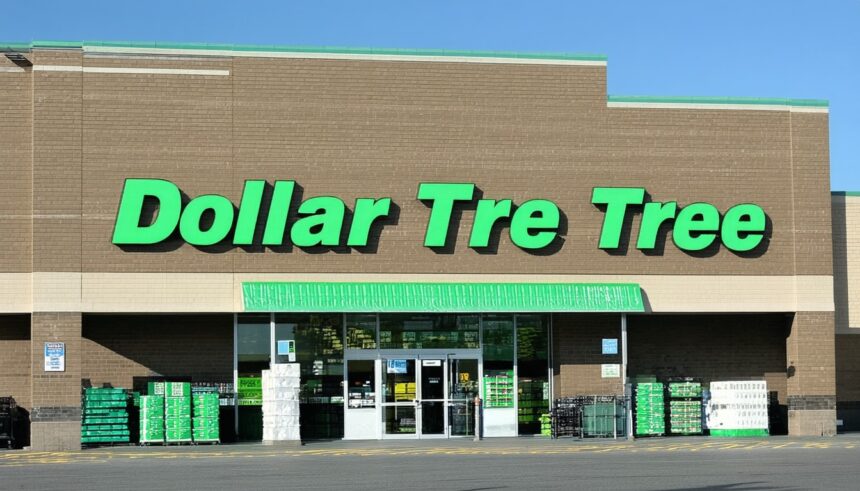
Dollar Tree, Inc. (NASDAQ: DLTR) has long stood as a pillar of the American discount retail sector, thriving on a business model that prioritizes low prices, high volume, and market adaptability. As the economy shifts and household budgets tighten, investor interest in discount retailers—and thus Dollar Tree’s stock price—has accelerated. This article unpacks the latest performance trends, explores the factors shaping Dollar Tree's share value, and offers an expert, data-informed perspective on how this company fits into the evolving retail landscape.
The Evolution of Dollar Tree's Share Value
Tracking Dollar Tree’s stock price over the past decade reveals a narrative shaped by expansion, evolving consumer habits, and economic cycles. After a period of steady growth in the 2010s, bolstered by the acquisition of Family Dollar in 2015, Dollar Tree solidified its footprint as one of the largest dollar store operators in the United States.
However, the journey hasn't been without headwinds. Macroeconomic pressures, rising supply chain costs, and shifts in consumer demand have played vital roles. Notably, during pandemic-era volatility, Dollar Tree initially benefited from surging demand for value retail, only to face intensifying margin pressures as inflation picked up steam in subsequent years. While the stock price has mirrored these fluctuations, many market watchers perceive the sector’s resilience as a sign of underlying strength.
"What sets Dollar Tree apart is its ability to navigate disruption with a disciplined value proposition," notes Sarah Hart, a retail analyst at MarketLine Research. "Even as costs rise and competition intensifies, the company’s model proves remarkably adaptable."
Key Fundamentals Impacting Dollar Tree's Market Performance
A detailed analysis of Dollar Tree’s fundamentals highlights the interplay of several critical factors:
Revenue and Same-Store Sales Growth
Dollar Tree’s revenue growth has tracked alongside a nationwide expansion strategy and ongoing store renovations. Same-store sales—a closely-watched retail metric—have seen steady positive momentum, especially in economic downturns when consumers elevate discount retailers as preferred destinations.
Some recent quarters have showcased an uptick in foot traffic and average transaction size, especially as food and essential goods price inflation drive budget-conscious shoppers toward value chains. Robust performance in consumables and seasonal merchandise segments has been a recurring theme.
Operating Margins and Cost Management
While Dollar Tree’s low-margin, high-volume approach is typical for discount retail, cost pressures have challenged profitability in recent years. Freight surcharges, wage inflation, and supply chain disruptions have forced management to increase select price points (notably moving past the iconic $1 price cap at many locations).
Despite the squeeze, Dollar Tree has aimed to hold margins stable through strategic initiatives such as:
- Private label expansion
- Inventory optimization
- Technology-driven efficiency projects
- Store format innovations (Dollar Tree Plus and combo stores with Family Dollar)
Competitive Positioning and Sector Trends
Dollar Tree’s performance does not exist in a vacuum. Fierce competition from chains like Dollar General, Five Below, and big-box retailers’ discount lines all pressure the company on multiple fronts. Still, Dollar Tree’s dual-brand approach—maintaining both the original Dollar Tree concept and Family Dollar—broadens its appeal.
Recent trends, including market consolidation, e-commerce integration, and the emergence of value-driven private label products, continue to redefine the discount retail landscape. Dollar Tree’s adaptability and willingness to experiment with pricing and product mixes appear to be key differentiators.
External Forces Influencing Dollar Tree Stock Price
Beyond internal strategies, several macroeconomic and external factors are shaping Dollar Tree’s share value in 2024:
Shifting Consumer Sentiment
High inflation and economic uncertainty have shifted consumer sentiment toward thriftier spending. According to multiple retail sector studies, there’s been a migration of higher-income shoppers into discount channels—a phenomenon that benefits Dollar Tree but also increases the expectations for quality and service.
Labor and Supply Chain Dynamics
The ongoing challenge of staffing stores and warehouses, paired with supply chain snarls, has triggered higher costs and occasional inventory gaps. While these pressures are industry-wide, they affect Dollar Tree acutely due to its reliance on low-priced goods and efficient logistics.
Regulatory and Policy Landscape
Changes in minimum wage laws, tariffs on imported goods, and shifting retail regulations can have outsized effects on both operating costs and consumer demand. The company’s ability to navigate these evolving policies remains closely watched by investors.
Recent Share Performance and Earnings Headlines
Dollar Tree’s stock price over the past 12 months has reflected the push-pull of these positive drivers and ongoing risks. While the company has reported solid revenue growth and implemented a number of store upgrades, headwinds from cost inflation and competitive pricing have created some volatility.
The company’s latest quarterly earnings highlighted a blend of resilience and cautious optimism. Net sales saw an uptick, driven in part by strong growth in discretionary categories and continued expansion of the "Dollar Tree Plus" model. However, management reiterated guidance on narrower profit margins and the importance of ongoing operational improvements.
In similar retail market scenarios, Dollar Tree’s shares have sometimes outperformed broader indices during periods of consumer belt-tightening, underscoring its status as a potential defensive stock. However, volatility remains, particularly in the face of external shocks and unexpected cost increases.
Analyst Perspectives and Market Outlook
While consensus among Wall Street analysts remains constructive, expectations hinge on Dollar Tree’s ability to deliver on earnings targets and sustain traffic growth. Expansion into urban and suburban markets, along with efforts to refresh aging Family Dollar locations, are cited as potential catalysts for future appreciation.
"Resilient consumer demand and robust loyalty metrics continue to reinforce our confidence in Dollar Tree’s longer-term share value," says Greg Lemon, equity strategist at Blue Peak Advisors. "That said, execution on cost controls and value innovation will ultimately determine whether the company maintains its competitive edge."
How Dollar Tree Compares to Its Peers
To better understand Dollar Tree’s positioning, investors often compare key metrics against direct competitors:
- Dollar General: Similar footprint and store count, but a focus on rural markets and a slightly higher price point mix.
- Five Below: Younger customer base with trend-driven merchandise, leading to higher basket sizes but also greater risk tied to discretionary spending.
- Discount Divisions of Major Retailers: Walmart and Target’s discount initiatives can pressure traditional dollar stores but haven’t yet fundamentally displaced them in value-seeking segments.
Dollar Tree’s ability to serve both urban and rural populations and pivot between extreme value and affordable convenience has helped insulate it from some competitive pressures, though margin sustainability will remain in focus.
Strategic Moves Shaping Dollar Tree's Future
Notably, Dollar Tree has embarked on several bold initiatives designed to grow share value:
- Price Point Diversification: Testing products above the traditional $1 threshold via "Dollar Tree Plus."
- Store Modernization: Upgrading both Dollar Tree and Family Dollar locations with improved layouts and product assortments.
- Private Label Growth: Investing in exclusive product lines to differentiate from mass-market competitors.
If these initiatives succeed, analysts project improved customer loyalty, higher per-store sales, and ultimately, upward pressure on the stock price.
Conclusion: Navigating Value in Volatile Times
Dollar Tree’s stock price journey encapsulates the evolution of American discount retail—resilience in adversity, constant adaptation, and the relentless quest for value. While short-term market conditions and operating challenges create noise, long-term success will likely hinge on strategic agility and the company’s capacity to meet the shifting demands of value-driven consumers.
For investors, the current landscape underscores the need for ongoing vigilance—but also offers opportunity. Those watching the Dollar Tree share value would do well to monitor not just earnings reports, but also broader shifts in consumer sentiment, supply chain dynamics, and sector innovation. In a climate where affordability is paramount, Dollar Tree’s story is far from over.
FAQs
What is driving Dollar Tree’s recent stock price movements?
Dollar Tree’s stock has seen movements driven by changes in consumer demand for budget-friendly shopping, persistent inflation, and operational adjustments such as price point expansions and store updates. Broader economic volatility also contributes to short-term share value swings.
How does Dollar Tree compare to competitors like Dollar General?
While Dollar General focuses more on rural markets and typically offers a broader assortment, Dollar Tree’s dual-brand strategy with Family Dollar allows it to cover a wider demographic and geographic footprint. Both face similar pressures, but differences in merchandising and store formats create unique opportunities and risks.
What strategies is Dollar Tree using to improve profitability?
Dollar Tree has introduced higher price points, expanded its private label offerings, and modernized stores to boost margins and sales. Efforts to streamline supply chains and improve inventory efficiency are also central to protecting profitability.
Is Dollar Tree considered a defensive stock?
Many investors view Dollar Tree as a defensive stock, especially during economic downturns. The brand tends to attract more customers when budgets are tight, which can help sustain sales during recessions or periods of uncertainty.
What should investors watch for in upcoming earnings?
Key areas to watch include same-store sales growth, margin trends, progress with strategic initiatives (such as Dollar Tree Plus), and management commentary on inflation and supply chain risks. These factors will likely influence near-term stock price performance.
Are there risks to investing in Dollar Tree right now?
Risks include persistent cost pressures, heightened competition, execution challenges in integrating Family Dollar, and potential shifts in consumer spending habits. However, Dollar Tree’s adaptability and strong position in the discount segment help mitigate some of these factors.


Professional author and subject matter expert with formal training in journalism and digital content creation. Published work spans multiple authoritative platforms. Focuses on evidence-based writing with proper attribution and fact-checking.
