






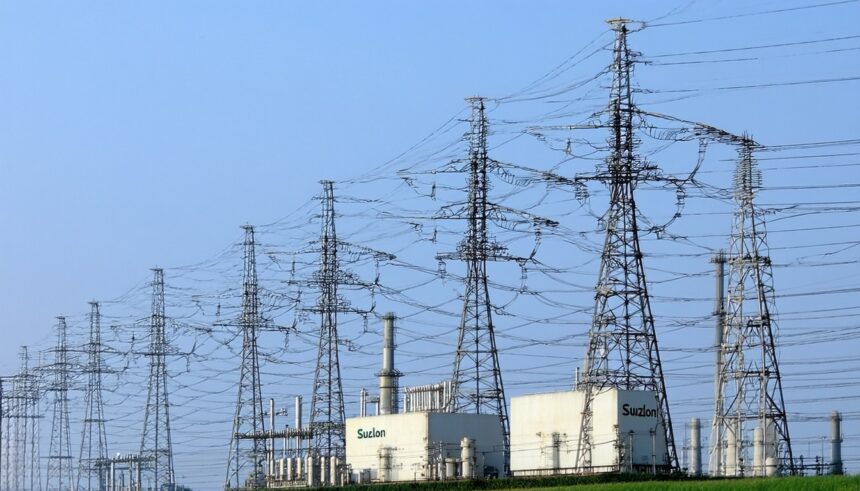
India’s clean energy ambitions have propelled companies like Suzlon Energy into the national spotlight. Once a symbol of India’s wind energy potential, Suzlon has experienced a rollercoaster journey, reflected directly in its share price movements. With the country striving to meet ambitious renewable targets and global investors turning their attention toward green energy solutions, the performance of Suzlon Energy’s shares has become a bellwether for both sectoral sentiment and investor confidence.
Historical Performance of Suzlon Energy Share Price
Suzlon Energy’s stock has long been characterized by volatility. Founded in 1995, Suzlon was once among the world’s top five wind turbine suppliers. The share price soared alongside the global renewable boom of the mid-2000s. However, overexpansion, debt accumulation, and management challenges led to sharp corrections post-2008.
Between 2006 and 2008, Suzlon shares traded at what many analysts considered premium valuations, as optimism about wind power in India peaked. The subsequent years exposed operational weaknesses. Mounting debt and order cancellations caused the share price to plummet, at times erasing over 90% of the company’s market value relative to its peak.
Industry context is important: other renewable firms globally faced headwinds during the post-2008 period due to changing government incentives and credit crunches. Suzlon’s steep learning curve offers a cautionary tale and a template for revamping business strategies in dynamic markets.
Recent Stock Trends: Signs of a Turnaround
Recovery and Market Sentiment
In the last two years, Suzlon Energy’s share price has demonstrated notable resilience. Revival efforts have included aggressive debt restructuring, asset sales, and consolidation of core business segments. Recent trading activity shows a pattern of gradual upward movement, buoyed by improving financial metrics and renewed investor interest in the green energy narrative.
According to analysts at major brokerage firms, the fresh appetite for Suzlon shares also mirrors broader optimism for India’s renewable sector, particularly as government policies provide new incentives for wind and solar expansion. Suzuki's implementation of advanced turbine technology and focus on project execution have further convinced stakeholders of a sustainable turnaround.
"Suzlon’s recovery isn’t an accident; it’s rooted in decisive financial discipline and a timely pivot to next-generation solutions," says a Mumbai-based fund manager familiar with the company’s restructuring. "Its ongoing resurgence signals growing faith in India’s renewables push."
Volatility Drivers
Despite these gains, Suzlon’s share price remains susceptible to:
- Announcements relating to debt resolution or fresh capital raising
- Periodic swings in international commodity prices impacting input costs
- Policy changes around green tariffs or government procurement
- Fluctuations in institutional holdings, with periodic profit-booking
Long-term retail investors have typically needed to weather significant ups and downs, while short-term traders often react aggressively to quarterly results and project pipeline updates.
Financial Fundamentals: What’s Supporting the Price?
Revenue Growth and Profitability
Suzlon Energy’s financial reports over the past few quarters highlight improvement in several critical areas:
- Revenue Uptick: Modest but steady growth in order book size and execution.
- Operational Profitability: Sharpened control over margins, aided by efficient cost management.
- Debt Reduction: A notable decrease in total borrowings through asset divestures and refinancing.
For instance, Suzlon’s latest annual report points to improved EBITDA margins and a swing back to net profitability—a signal that has reassured many nervous shareholders.
Strategic Partnerships and Industry Position
Collaborations with state governments and international players have strengthened Suzlon’s market position. The company not only executes projects for utilities but also manages large turnkey deployments for private sector partners. This strengthens revenue streams and creates annuity-like returns from operations and maintenance contracts.
On the other hand, competition from newer entrants and global wind majors means Suzlon must continually innovate to defend its domestic market share.
Technical Analysis: Patterns and Price Signals
Support and Resistance Levels
Technical chartists tracking Suzlon Energy’s share price frequently cite the significance of certain levels—round numbers often act as psychological barriers. For example, historically, breakouts above previous resistance points have preceded brief rallies, while sharp pullbacks have emerged near recognized support zones.
Recent volume spikes suggest increased institutional interest, but also introduce short-term volatility.
Moving Averages and Momentum Indicators
- Short-term Moving Averages (such as 20-day and 50-day): Used to spot emerging trends and possible entry points.
- Relative Strength Index (RSI): Occasionally points to overbought conditions during rallies, warning investors to monitor potential corrections.
- MACD Crossovers: Provide early signals about directional changes.
In practice, technical and fundamental analysis are complementary; seasoned investors combine both to refine timing and conviction.
Suzlon Energy in India’s Renewable Strategy
Suzlon’s performance is inseparable from India’s clean energy aspirations. As of recent years, India targets installing over 500 GW of renewable capacity by 2030, with wind energy as a critical pillar. As the largest domestic wind turbine manufacturer, Suzlon remains a key player in achieving these milestones.
Besides domestic installations, Suzlon has re-entered selected overseas markets, seeking prudent global diversification after previous overextensions.
Risks and Challenges: Factors to Monitor
While recent share price action is encouraging, several risks persist:
- Regulatory Environment: Uncertainty around tariffs, power purchase agreements, and land acquisition norms.
- Execution Risks: Timely delivery of large-scale projects and competitive pressure.
- Input Costs: Fluctuations in commodity prices (especially steel, copper) can erode margins.
- Debt Overhang: Although significantly reduced, debt management remains a priority.
A prudent investor will closely watch quarterly disclosures and policy signals to reassess exposure to Suzlon Energy shares.
Real-World Example: Suzlon’s Impactful Project Pipeline
A notable case is Suzlon’s wind park in Gujarat, one of the largest single-location wind power projects in Asia. This project not only generated significant clean power but also created blueprints for scalable, community-friendly renewable rollouts—strengthening Suzlon’s reputation with policymakers and corporate clients alike.
Such successful project deliveries, and the ability to secure new contracts in the emerging green hydrogen and hybrid (wind+solar) markets, could serve as catalysts for sustained share price appreciation.
Conclusion: Navigating Suzlon Energy’s Share Price Path
Suzlon Energy’s share price tells a story of resilience, adaptation, and cautious optimism. The company’s progress from financial distress to a viable growth trajectory has come amid increasing demands for sustainable energy solutions in India. For investors, Suzlon’s shares remain a proxy for long-run renewable sector gains, tempered by the need to balance risk with opportunity.
Solid financial discipline, strategic partnerships, and consistent project execution underpin Suzlon’s ability to regain investor trust. Nevertheless, the path forward is likely to remain dynamic, shaped by sectoral policy, market competition, and ongoing innovation.
FAQs
What are the main factors impacting Suzlon Energy’s share price?
Suzlon’s share price is influenced by its financial health, sector policies, major project wins, and changes in commodity prices. Broader investor sentiment toward renewable energy in India also plays a significant role.
Is Suzlon Energy’s stock suitable for long-term investment?
Suzlon may appeal to long-term investors bullish on renewables, but it comes with considerable volatility and ongoing sector risks. A diversified approach and careful monitoring of company-specific developments are advisable.
How does government policy affect Suzlon Energy’s performance?
Supportive renewable energy policies, incentives for wind power, and clarity regarding tariffs typically boost Suzlon’s outlook. Conversely, regulatory uncertainty or adverse rulings can dampen sentiment and impact operations.
Has Suzlon Energy addressed its historical debt problems?
Suzlon has made substantial progress in reducing its debt through restructuring, repayments, and asset sales. Nonetheless, maintaining a healthy balance sheet remains an essential focus area for sustained growth.
What technical signals should traders monitor for Suzlon shares?
Traders often look at moving averages, resistance/support levels, and momentum indicators such as RSI and MACD to time entries and exits. Unusual trading volume can also signal upcoming price movements.
Are there dividend payouts from Suzlon Energy?
Suzlon Energy has often prioritized reinvesting earnings and managing debt over issuing dividends. Investors should check the company’s current policy and recent filings for the latest status on dividends.


Seasoned content creator with verifiable expertise across multiple domains. Academic background in Media Studies and certified in fact-checking methodologies. Consistently delivers well-sourced, thoroughly researched, and transparent content.
