




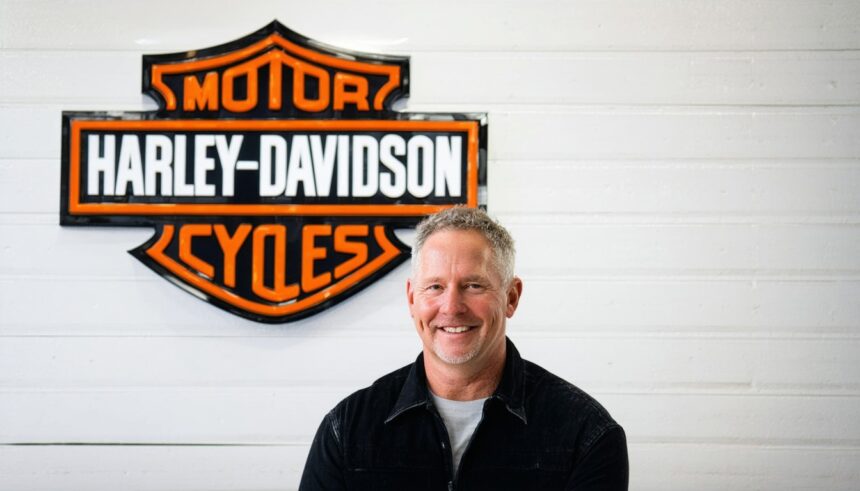
For a brand as storied and iconic as Harley-Davidson, a change at the helm isn’t just a corporate event; it’s a moment that ripples through the industry, stock markets, and the global community of motorcycle enthusiasts. The recent announcement regarding Harley-Davidson’s new CEO marks a pivotal chapter for the Milwaukee-based manufacturer, one that reflects both the company's evolving vision and the profound challenges facing the modern motorcycle industry.
Legacy and Context: Harley-Davidson’s Unique Place in the Market
Harley-Davidson stands apart as one of the most recognizable names in the world of motorcycles. Revered for its classic American cruisers, the brand has symbolized freedom and rebellion for over a century. Yet, as with many legacy manufacturers, Harley has felt the strain of shifting demographics, new forms of urban mobility, and the rapid rise of electric vehicles.
Over the past decade, Harley-Davidson has found itself at a strategic crossroads. Its core customer base is aging, and the brand has grappled with how to remain relevant to younger riders while sustaining its powerful heritage. Previous leadership teams have made notable efforts to diversify the product lineup—introducing lighter bikes, venturing into the electric segment with the LiveWire, and expanding into international markets—but results have been mixed. Current events underscore just how vital leadership agility is for navigating this changing landscape.
The Appointment: Introducing Harley-Davidson’s New CEO
The latest CEO appointment comes at a crucial time for the company. As the board’s announcement made clear, the decision was shaped not only by succession planning but also by an urgent need to re-energize growth, accelerate product innovation, and solidify global competitiveness.
The Incoming Leader’s Profile
Harley-Davidson’s selection committee selected an executive with deep roots in both manufacturing and international business—an essential duality given the challenges ahead. The new CEO brings experience from both the automotive sector and fast-moving consumer goods, signaling Harley’s commitment to operational excellence while also embracing new market opportunities.
In a statement accompanying the announcement, a Harley-Davidson spokesperson underscored the board’s belief in their choice:
“In a rapidly changing mobility landscape, it’s critical for Harley-Davidson to have a leader with fresh vision and operational discipline. The board is confident this new CEO will honor our traditions while boldly expanding our horizons.”
Immediate Reactions: Industry and Market Response
News of the leadership change prompted immediate reaction among industry analysts. Share prices showed modest volatility in trading sessions following the announcement, but many analysts struck an optimistic tone regarding the fresh direction. Among Harley’s dealer network, there’s cautious optimism that renewed emphasis will be placed on supporting local retail and service networks, a long-valued pillar of the brand.
Many long-term riders and Harley Owner Group (HOG) members voiced support on social media, suggesting that dynamic leadership could help modernize the company’s image without diluting its soul—if managed thoughtfully.
Key Challenges Ahead for the New CEO
No leadership change at Harley-Davidson occurs in a vacuum. The new CEO inherits a complex matrix of strategic imperatives, both old and new.
Revitalizing a Shifting Customer Base
Harley-Davidson’s traditional audience—predominantly older, affluent male riders—remains loyal but is shrinking. Connecting with millennial and Gen Z consumers, many of whom prioritize sustainability and flexibility over outright motorcycle ownership, is an ongoing challenge. Global motorcycle sales have seen flat or moderate growth in developed markets, driven by demographic transitions and broader mobility trends.
Electric Motorcycles and the Promise of LiveWire
Arguably, no product launch in Harley’s modern history has received more scrutiny than the LiveWire, its first all-electric motorcycle. While praised for its engineering and performance, the LiveWire’s high price and the nascent state of EV infrastructure have limited its commercial impact. However, with legislative momentum building for electrification and urban congestion concerns rising, experts believe Harley is well poised—if it can balance tradition with transformation.
International Expansion and Supply Chain Resilience
Like most global manufacturers, Harley-Davidson must continually adapt to macroeconomic pressures, geopolitical uncertainty, and the complexities of global supply chains. Recent trade tensions and logistics disruptions have highlighted the need for agile, diversified sourcing strategies. The new CEO’s international experience will be vital for scaling overseas business, particularly in emerging motorcycle markets across Asia and Latin America.
Lessons from Past CEO Tenures
History provides critical lessons for what works—and what doesn’t—at Harley-Davidson. Past leaders like Matt Levatich and Jochen Zeitz brought unique strengths, including brand reinvigoration and aggressive cost management. However, even the most admired CEOs found that transforming an institution so deeply woven into American culture is no small feat.
Jochen Zeitz, for example, was instrumental in cutting costs and streamlining operations during his tenure, but also drew criticism for moves perceived as too conservative in electrification and youth outreach. The new CEO must find a careful balance between financial discipline and bold investment in future technologies.
What’s Next: Strategic Priorities for the New Leadership
Looking ahead, analysts identify several strategic priorities for Harley-Davidson’s next phase:
- Accelerate electric and hybrid model development: Investing in EV technology and infrastructure partnerships to appeal to a younger, urban demographic.
- Deepen digital and experiential engagement: Enhancing brand loyalty with immersive experiences, both online and in person.
- Optimize the global dealer network: Supporting retailers as frontline brand ambassadors while adapting to local market dynamics.
- Expand international footprint: Identifying growth opportunities in high-potential markets outside North America, especially in Asia-Pacific regions.
These goals require not just operational competence but visionary leadership—qualities that Harley-Davidson’s board sought in its newly appointed chief executive.
“Transformational change in an iconic company demands leaders who can honor a brand’s past while fearlessly reimagining its future,” notes a veteran industry analyst. “The new CEO will need to harness Harley’s legacy as fuel for innovation, rather than an anchor.”
Concluding Thoughts
Harley-Davidson’s appointment of a new CEO is more than an internal reshuffle; it’s a ground-shaking moment that could define the company’s trajectory for years to come. With significant challenges ahead—including demographic shifts, technological transformation, and a highly competitive global landscape—the company’s new leader will be tasked with balancing legacy and innovation. Stakeholders across the motorcycle world eagerly await the new CEO’s first moves, recognizing that the next chapter in Harley-Davidson’s 120-year story has just begun.
FAQs
Who is Harley-Davidson’s new CEO?
Harley-Davidson’s new CEO is an experienced automotive and manufacturing executive, selected for their background in both operational excellence and international business. The exact name and biography can be found in Harley-Davidson’s official press release and investor relations updates.
Why did Harley-Davidson change its CEO?
The leadership change is driven by the need to address ongoing industry shifts, expand into new markets, and revitalize the brand for younger generations. Succession planning and the search for fresh vision played key roles in the board’s decision.
What are the main challenges facing the new CEO?
Key challenges include connecting with younger riders, expanding electric vehicle initiatives, and navigating supply chain complexities. The new CEO must also revitalize international growth and balance cost efficiency with brand innovation.
How has the market reacted to the new appointment?
Industry analysts and investors have generally responded with cautious optimism. While share prices experienced some short-term volatility, many believe that strategic leadership could help Harley-Davidson regain momentum in a fast-evolving market.
What changes might riders and customers expect?
Customers may see increased digital engagement, enhanced product innovation—especially in the EV segment—and renewed support for local dealerships. The new leadership is tasked with preserving Harley’s legacy while driving modernization efforts.


Professional author and subject matter expert with formal training in journalism and digital content creation. Published work spans multiple authoritative platforms. Focuses on evidence-based writing with proper attribution and fact-checking.
