






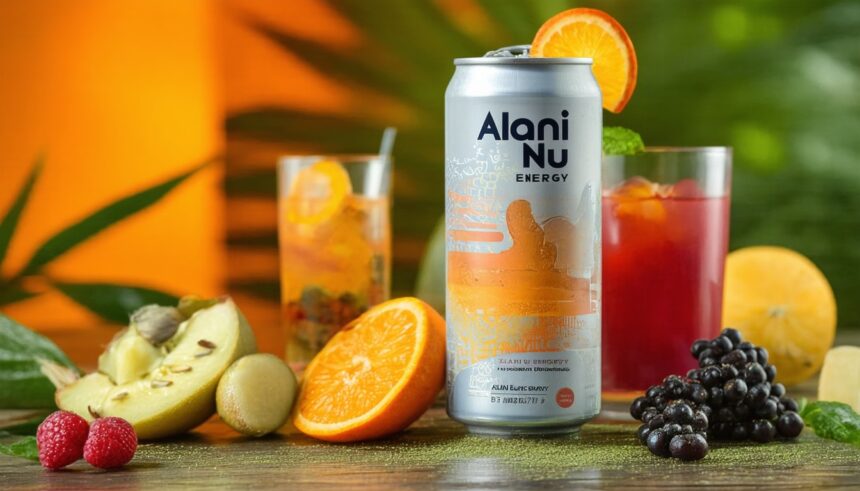
Energy drinks have become a mainstay of modern routines, powering everyone from early-morning commuters to students and athletes. Amid fierce competition and growing health consciousness among consumers, Alani Nu Energy Drink has emerged as a standout brand in the energy beverage landscape. Its rapid growth is fueled by a unique combination of vibrant flavors, a focus on clean ingredients, and targeted branding that resonates especially with health-focused Millennials and Gen Z. This article explores Alani Nu’s flavors, purported benefits, ingredient profile, and what consumers are actually saying—with attention to both data and the context of evolving energy drink preferences.
Alani Nu Flavors: Creative, Distinct, and Customer-Driven
Alani Nu is best known for its bold and playful flavor palette. Unlike traditional energy drinks that often stick to cola, citrus, or tropical bases, Alani Nu has carved out a niche by launching innovative, dessert-inspired flavors that double as Instagram bait. The core lineup includes:
- Cosmic Stardust (a sweet, candy-like berry blend)
- Breezeberry (fresh mixed berry)
- Mimosa (citrus with a sparkling twist)
- Hawaiian Shaved Ice (tropical coconut-pineapple)
- Tropsicle (fruity popsicle notes)
- Cherry Slush
- Watermelon Wave
- Witch’s Brew (limited-edition caramel apple)
Seasonal and limited-edition flavors, such as Witch’s Brew during Halloween, contribute to the brand’s “must-try” appeal. This flavor-forward approach is more than marketing: customers consistently cite taste and the variety of flavors as two key reasons for Alani Nu’s popularity.
"Innovation in flavors and a visually driven brand identity have allowed Alani Nu to stand out in a crowded market. Consumers are seeking novelty without sacrificing familiar taste profiles," says beverage industry analyst Jamie Porter.
The brands’ approach reflects larger trends—such as the rise in “functional beverages” designed to not only provide a boost but also fit lifestyle and aesthetic aspirations often shared across social platforms.
Ingredient Transparency: What’s Inside Alani Nu?
Beyond flavors, a turning point for Alani Nu's appeal is its ingredient transparency. Consumers today scrutinize what goes into their bodies, and Alani Nu has responded with clear labeling and choices that distinguish it from many competitors.
Caffeine Content and Sources
Each can contains 200 mg of caffeine—comparable to most established energy drink brands, but less than ultra-high dose options. This caffeine comes from natural sources, primarily green coffee beans, which appeals to those wary of synthetic additives. The moderate-high amount offers a significant energy boost while aiming to avoid excessive jitters in most healthy adults.
No Sugar, Fewer Calories
Alani Nu’s formula is sugar-free, using sugar alcohols and sucralose for sweetness. Each 12-ounce can contains just 10 calories. This low-calorie profile is especially attractive to fitness enthusiasts, dieters, and people watching their daily sugar intake.
Added Vitamins and Amino Acids
The drink is fortified with B vitamins (notably B3, B6, and B12), which play key roles in energy metabolism, plus biotin for skin and hair support. Although the quantities are not clinically significant for everyone, these micronutrients are a nod to the beauty and wellness orientation of many Alani Nu fans.
Taurine and L-carnitine are present as well—amino acid derivatives that are widely used in energy drinks, though scientific consensus on their energy-boosting effects remains mixed.
Absent or Reduced Ingredients
Notably, Alani Nu avoids:
- Artificial coloring (most flavors are dye-free)
- Excess sodium
- Aspartame
- High fructose corn syrup
This positions it as a more “natural” option than many mainstream brands, aligning with current clean-label trends in the beverage industry.
Perceived Benefits: Energy, Focus, and Lifestyle Alignment
The health-and-wellness focus of Alani Nu’s ingredient selection aims to offer benefits alongside energy:
- Quick, sustained boost: Reported by users to kick in rapidly without a sharp crash.
- Weight management: Sugar-free and low-calorie, supporting those mindful of calorie intake.
- Vitamin support: Intended to complement diets through added B vitamins.
- No “artificial” aftertaste: Reviews often highlight the clean finish compared to legacy brands.
However, as with any caffeinated product, effects can vary significantly. Tolerance, sensitivity, and individual health play large roles; some users may still experience jitteriness or sleep interference.
Consumer Reviews: What Real Users Are Saying
Customer feedback reveals why Alani Nu is not just a fast-growing product, but also a phenomenon with cult-like loyalty. On retailer platforms like Amazon, GNC, and social media, Alani Nu Energy Drink consistently receives high ratings—often four stars and above.
Positive Themes
- Flavor appreciation: “The flavors are light, fun, and not overwhelmingly sweet.”
- No crash: “Energizes me for my run without the midday slump I’d get from other brands.”
- No sugar guilt: “Finally found a zero-sugar drink that doesn’t taste like chemicals.”
- Eye-catching: “Love the cans—makes me want to post on Instagram.”
Negative Notes
- Caffeine sensitivity: Some users report increased heart rate or feeling jittery, especially if consuming more than one can per day.
- Taste polarization: Certain flavors (like Witch’s Brew or Cosmic Stardust) can be divisive—beloved by some, disliked by others.
- Price premium: At roughly $2–$3 per can, it can be pricier than mainstream alternatives.
Real-world example: When Alani Nu launched in Target stores, several flavors sold out within days, spurring secondary-market sales and social buzz—an unusual feat in a category often perceived as commoditized.
Alani Nu Compared to Legacy Energy Drink Brands
Alani Nu’s rapid ascent signals a shift in what consumers expect from energy beverages. Unlike established brands like Red Bull or Monster, Alani Nu has avoided “extreme sports” imagery, focusing instead on inclusivity, wellness, and everyday empowerment—especially targeting women, an audience historically underserved in the energy drink market.
This strategy is echoed by digital marketing expert Lara McKinney:
"Alani Nu's success is a textbook example of understanding a modern consumer base: prioritizing flavor innovation, ingredient transparency, and lifestyle-friendly branding has transformed it from just another energy drink into a badge brand."
Additionally, Alani Nu’s focus on functional, sugar-free formulas and limited artificial additives mirrors broader shifts in beverage innovation. The trend is clear: younger consumers want both energy and authenticity in their drink choices.
Concluding Insights: The Future for Alani Nu and Energy Drinks
Alani Nu Energy Drink has not only tapped into existing demand for convenience and energy but also anticipated consumer shifts toward flavor diversity, “cleaner” ingredients, and relatable branding. While not every flavor or ingredient will please all palates, the brand’s rapid community-building online and off has propelled it into a leading position among new-generation energy drinks.
Health-minded consumers, especially those focused on calorie and sugar reduction, are likely to continue driving growth for products like Alani Nu—so long as the company maintains transparency and flavor innovation. As the market matures, expect to see continued expansion of limited-edition runs, tie-in products, and perhaps a push into even more functional benefits (hydration, relaxation, or focus) as part of broader beverage trends.
FAQs
What makes Alani Nu Energy Drink different from other energy drinks?
Alani Nu stands out due to its innovative flavors, zero sugar content, low-calorie profile, and focus on clean, transparent ingredient sourcing. The branding also uniquely targets health-conscious and visually driven consumers.
How much caffeine is in a can of Alani Nu Energy Drink?
Each standard can contains 200 milligrams of caffeine, which is on par with many leading energy drink brands but less than ultra-high caffeinated products.
Are there any health risks associated with drinking Alani Nu?
Most healthy adults can safely consume the caffeine levels in one can. However, those sensitive to caffeine, pregnant women, or individuals with certain health conditions should consult a healthcare provider before consuming energy drinks.
Is Alani Nu suitable for people on a diet or watching their sugar intake?
Yes, it’s formulated to be sugar-free and contains only about 10 calories per can, making it a popular choice among those managing their calorie or sugar consumption.
Where can I buy Alani Nu Energy Drink?
Alani Nu is widely available at major retailers like Target, Walmart, GNC, Amazon, and various convenience stores across the U.S., as well as online via the Alani Nu website.
Do all Alani Nu Energy Drink flavors contain artificial sweeteners?
Alani Nu uses sucralose and sugar alcohols for sweetness, but avoids aspartame and high fructose corn syrup. Most flavors rely on these ingredients to achieve a sweet taste without added sugar.


Seasoned content creator with verifiable expertise across multiple domains. Academic background in Media Studies and certified in fact-checking methodologies. Consistently delivers well-sourced, thoroughly researched, and transparent content.
